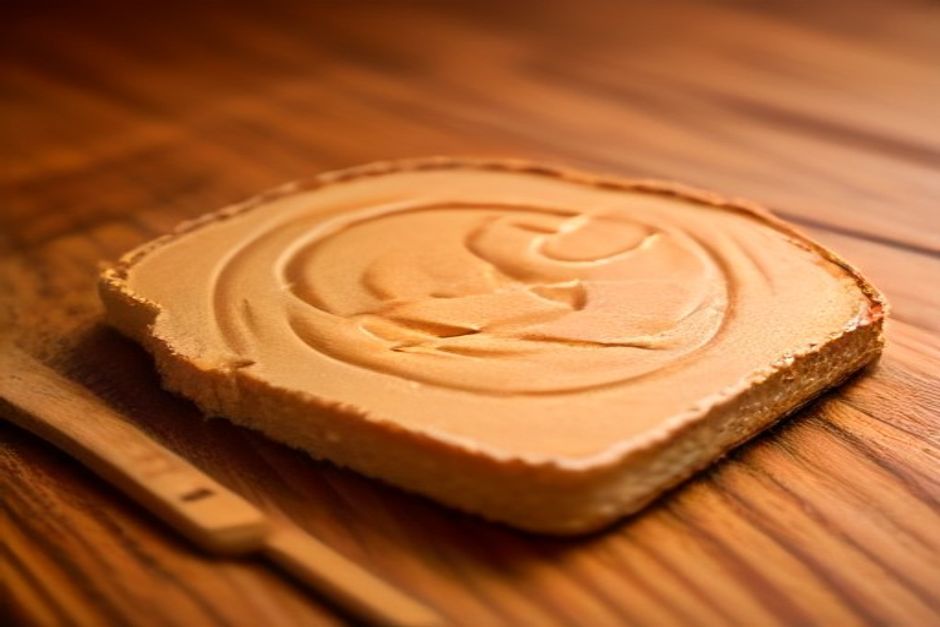
Can Dogs Eat Peanut Butter? Yes — But Check for Xylitol
Yes — dogs can eat plain peanut butter in moderation, but there's one critical rule: it must be xylitol-free. Plain peanut butter is a popular, protein-rich treat dogs love. The danger is xylitol, a sweetener found in some "sugar-free" peanut butters that is toxic to dogs.
The short answer
- Safe? Yes — plain, unsalted, xylitol-free peanut butter, in moderation.
- How much? ½ tsp (small dogs) up to ~1 tbsp (large dogs), occasionally.
- Watch out for: xylitol (deadly), added sugar/salt, and high fat.
Is peanut butter good for dogs?
In moderation, plain peanut butter offers:
- Protein and healthy fats – support energy, skin, and coat.
- Vitamins B and E, plus niacin – support overall health.
It's also fantastic for enrichment — smear a little inside a rubber chew toy or on a lick mat to keep your dog busy, or use it to hide pills. Just keep portions small because it's calorie-dense.
The one critical rule: check for xylitol
Some "sugar-free," "reduced sugar," or "no sugar added" peanut butters contain xylitol (sometimes labeled "birch sugar"). Xylitol is extremely toxic to dogs — it causes a rapid blood-sugar crash and can lead to liver failure. Even small amounts can be fatal.
Always read the full ingredient list before sharing. The safest peanut butter has just one ingredient: peanuts (a little salt is okay).
How much peanut butter can a dog eat?
Use the 10% treat rule and keep it modest:
| Dog size | Example weight | Safe serving (plain, xylitol-free) |
|---|---|---|
| Toy / very small | under 10 lb | ~¼–½ tsp |
| Small | 10–25 lb | ~½ tsp |
| Medium | 25–50 lb | ~1 tsp |
| Large | 50 lb+ | up to ~1 tbsp |
Offer it occasionally, not daily — it's high in fat and calories.
How to serve peanut butter safely
- Use plain, xylitol-free peanut butter (ideally just peanuts).
- Smear a small amount on a lick mat or inside a chew toy.
- Avoid chocolate-swirl, sugar-free, or flavored versions.
- Watch the fat — skip it for dogs with pancreatitis history or weight issues unless your vet okays it.
Can puppies eat peanut butter?
Yes, a tiny amount of plain, xylitol-free peanut butter is fine for puppies on solid food — great for stuffing a teething toy. Keep portions very small.
When to call your vet
Call your vet or poison control immediately if your dog ate peanut butter (or any product) containing xylitol, or shows vomiting, weakness, stumbling, or collapse. Also call if a dog with a sensitive stomach or pancreatitis history ate a large amount.
Poison control: ASPCA (888-426-4435) or Pet Poison Helpline (855-764-7661).
The bottom line
Plain, xylitol-free peanut butter is a safe, much-loved treat and a brilliant enrichment tool — just keep portions small and always check the label for xylitol first. That one habit keeps peanut butter a happy treat, not a hazard.
Related guides
- Foods Dogs Can & Can't Eat: the complete safe & toxic list
- Can dogs eat marshmallows?
- Can dogs eat bananas?
Related Guides
- Foods Dogs Can & Can’t Eat: The Complete List
- Puppy Feeding Chart by Age & Weight
- Best Chew Toys for Puppies
Frequently Asked Questions
Is peanut butter safe for dogs?
Plain, unsalted, xylitol-free peanut butter is safe for most dogs in moderation. The critical thing is to check the label for xylitol, a sweetener that is toxic and potentially fatal to dogs.
What peanut butter brands are safe for dogs?
Any plain peanut butter whose only ingredients are peanuts (and maybe a little salt) is fine. Avoid ‘sugar-free,’ ‘reduced sugar,’ or ‘no sugar added’ products, which often contain xylitol. Always read the full ingredient list.
How much peanut butter can a dog have?
Keep it to about half a teaspoon for small dogs and up to a tablespoon for large dogs, as an occasional treat. Peanut butter is high in fat and calories, so too much can cause weight gain or stomach upset.
Why is xylitol in peanut butter dangerous?
Xylitol triggers a rapid, dangerous drop in a dog’s blood sugar and can cause liver failure. Even small amounts can be life-threatening, so xylitol-containing peanut butter must never be given to dogs.
Can puppies eat peanut butter?
A tiny amount of plain, xylitol-free peanut butter is generally fine for puppies on solid food. Keep portions very small due to the fat content, and always check the label.
This article is for general informational purposes and is not a substitute for professional veterinary advice. If you suspect your dog ate something containing xylitol, contact your veterinarian or an animal poison control center immediately.