
How to Crate Train a Puppy: A Calm, Night-by-Night Plan
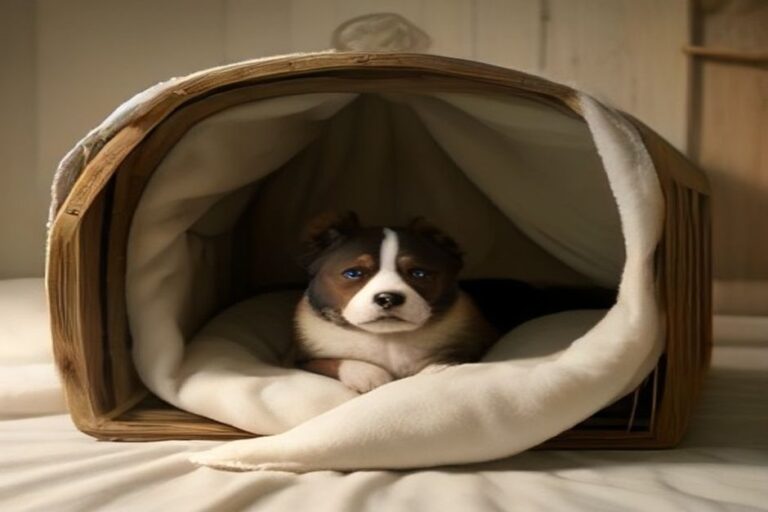
Done right, a crate isn't a cage — it's a bedroom. Dogs are den animals, and a crate gives a puppy a safe, quiet place of their own while keeping them out of trouble when you can't watch them. Done wrong, though, the crate becomes something to fear. The difference is entirely in how you introduce it.
This is a calm, no-drama plan built around going at the puppy's pace. No flooding, no "cry it out" cruelty — just steady, positive steps.
The one rule that makes everything work
The crate must only ever mean good things. Never use it as punishment. Never drag your puppy into it. Every association you build should be positive: meals, treats, chews, and rest. Get this right and the rest of the plan almost runs itself.
Before you start: set the crate up for success
- Size it correctly. Big enough to stand, turn around, and lie down — no bigger. Too much space lets a puppy potty in one corner and sleep in another. Use a divider and expand it as they grow.
- Make it cozy. A soft, washable blanket and one safe chew. Skip loose bedding for heavy chewers.
- Place it well. Somewhere in the family's orbit by day, and in your bedroom at night for the first week or two.
Phase 1 — Daytime introduction (Days 1–3)
You're building curiosity, not confinement, yet.
- Leave the door open and toss a few treats inside. Let your puppy walk in and out freely. Praise every voluntary entry.
- Feed meals in the crate, bowl just inside at first, then further back over a few meals. Eating in the crate builds a strong positive association.
- Add a "den" cue. As they step in, say a soft word like "crate" or "bed," then reward. You're naming the behavior.
- Close the door for seconds, not minutes. Once they're eating happily inside, close the door for a few seconds while they chew, then open it before they finish. Slowly extend the time.
Keep every session short and upbeat. End before your puppy wants to leave, not after they're desperate to.
Phase 2 — Building duration (Days 3–7)
Now you stretch the time and add mild distance.
- Give a long-lasting chew and close the door while you stay in the room. Potter about. Let the crate become boring-in-a-good-way.
- Step out of sight briefly, then return before any fuss. Build up from 1 minute to 10 over several sessions.
- Never make arrivals or departures a big event. Calm in, calm out. Drama teaches the puppy that the crate is emotionally charged.
Phase 3 — The first nights
This is the part everyone dreads. Here's how to make it manageable.
Night 1–2:
- Crate in your bedroom, within arm's reach if possible.
- Last potty trip right before bed, and pick up water an hour or so before.
- Expect to wake up. A young puppy physically can't hold their bladder all night. When they wake and cry, take them out on-leash, let them potty, praise quietly, and return to the crate with no play. Boring is the goal.
Night 3–5:
- The rhythm starts to click. Many puppies begin sleeping in longer stretches.
- Keep responding to genuine potty cries, but don't rush to a puppy who's just grumbling and resettling.
Night 6 onward:
- Most puppies are now settling faster and holding longer. If night one felt impossible, this is the payoff. Consistency is what got you here.
Crying: how to tell protest from a real need
- Crying the instant they go in, then settling — usually protest. Wait for a pause, reassure softly, don't reward the noise by letting them out mid-cry.
- Quiet for a while, then suddenly crying — usually a real potty need. Take them out calmly.
Responding to the second while not rewarding the first is the whole art of crate training.
Phase 4 — Daytime independence
Nighttime is often easier than daytime, because there's more going on to miss during the day.
- Keep daytime crate sessions short at first and always after exercise and a potty trip — a tired puppy rests, a fresh one protests.
- Follow the age guideline: a rough maximum is the puppy's age in months plus one, in hours (a 3-month-old, ~4 hours max). This is a ceiling for holding their bladder, not a daily target — puppies need company and enrichment.
- Practice leaving. Short absences, calm returns. You're teaching them that alone-time is normal and temporary.
Common mistakes that undo your progress
- Using the crate as punishment. Instantly poisons the association.
- Too much space too soon. Invites indoor accidents.
- Letting them out mid-cry. Teaches that noise opens the door.
- Going too fast. Skipping the positive-introduction phase creates the exact anxiety you're trying to avoid.
- Marathon confinement. The crate is a tool for safety and rest, not a place to store a puppy all day.
The payoff
A crate-trained dog has a safe space for life — for travel, vet stays, recovery from illness, or just a quiet nap away from a busy house. The couple of tough early nights buy you years of a dog who walks into their crate willingly and sleeps soundly. Go slow, keep it positive, and let your puppy set the pace.
Frequently Asked Questions
How long does it take to crate train a puppy?
Most puppies are comfortable sleeping in a crate within 1–3 weeks of consistent, positive training. Daytime independence often takes a little longer. Go at your puppy’s pace — rushing it creates anxiety and sets you back.
Should I ignore my puppy crying in the crate at night?
Not entirely. A puppy who’s been quiet then suddenly cries usually needs a potty break — take them out calmly, no play, then back to bed. Crying the moment they go in is often protest; wait for a pause, then reassure. Never use the crate as punishment.
Where should the crate go at night?
For at least the first week or two, put the crate in your bedroom. Being near you lowers stress, helps the puppy settle, and lets you hear genuine potty signals. You can gradually move it later if you want.
Related Guides
Recommended Puppy Gear
The Pup Guide is reader-supported. As an Amazon Associate we earn from qualifying purchases, at no extra cost to you. See our affiliate disclosure.
- Dog crate with divider — size it for the adult dog
- Washable crate bed — cozy and easy to clean
- Long-lasting chew toys — makes the crate a good place
- Crate cover — den-like calm for sleep
Wondering about crate covers? See should you cover a puppy crate.
This is general training guidance, not a substitute for professional help. If your puppy shows signs of genuine distress or possible separation anxiety — panic, self-injury, relentless panic-crying — consult your veterinarian or a qualified positive-reinforcement trainer.