
12 Best Dog Breeds for First-Time Owners (and Why They Work)
Choosing your first dog is exciting — and a little daunting. The breed you pick shapes years of daily life: how much you'll walk, how much you'll train, how much you'll vacuum. The good news is that some dogs are genuinely more forgiving of a beginner's learning curve. They're trainable, people-focused, and adaptable enough to thrive while you figure things out together.
Rather than one generic "top 10," here are strong first-dog breeds grouped by the lifestyle they actually suit — because the "best" dog is the one that fits your life.
Quick pick: top breeds at a glance
Short on time? These are the most forgiving, beginner-friendly breeds and what makes each a good first dog — full breakdowns follow below.
| Breed | Best for | Grooming | Energy |
|---|---|---|---|
| Labrador Retriever | Forgiving all-rounder | Low | High |
| Golden Retriever | Gentle & very trainable | Medium | High |
| Poodle | Smart, low-shedding | High | Med–High |
| Cavalier King Charles Spaniel | Easy companion / apartments | Medium | Low–Med |
| Bichon Frise | Low-shedding lap dog | High | Low–Med |
| Greyhound | Laziest, lowest-effort dog | Low | Low (needs sprints) |
| Boston Terrier | Small, adaptable city dog | Low | Medium |
| Adult rescue (any) | Known temperament, often house-trained | Varies | Varies |
First, a more useful question than "which breed?"
Before the list, be honest about four things. They matter more than any breed name:
- Energy: How much daily exercise can you truly commit to — a 20-minute stroll, or an hour of running?
- Space: Apartment, house, yard? Some big dogs are couch potatoes; some small dogs are tornadoes.
- Time: Puppies and high-need breeds demand hours. Be realistic.
- Grooming & shedding: Low-shed breeds cost more in grooming; heavy shedders cost more in cleaning.
Match those honestly and half the decision is made.
If you want an all-rounder family dog
These are the classic "you almost can't go wrong" breeds — sociable, trainable, and great with kids.
- Labrador Retriever — friendly, eager to please, endlessly patient. Needs real daily exercise and sheds, but forgives beginner mistakes like no other.
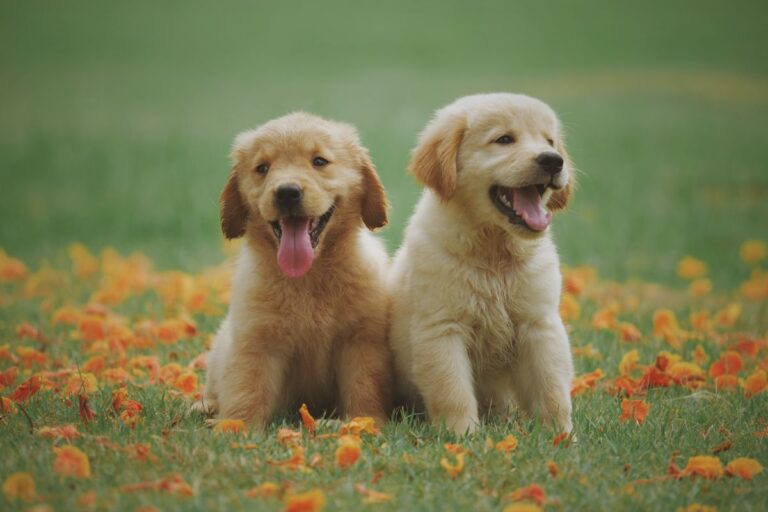
- Golden Retriever — gentle, affectionate, highly trainable. Similar exercise and grooming needs to the Lab, with a famously soft temperament.
- Standard or Miniature Poodle — genuinely one of the smartest, most trainable dogs, and low-shedding. Needs regular grooming and mental stimulation, not just walks.
If you live in an apartment or smaller space
Size isn't everything, but these breeds tend to adapt well to less room — provided you still walk them.
- Cavalier King Charles Spaniel — affectionate, adaptable, happy on a lap or a gentle walk. A wonderful companion breed.
- Bichon Frise — cheerful, low-shedding, and people-loving. Needs grooming, but little in the way of hard exercise.
- French Bulldog — charming and low-energy, though be aware of the breed's known breathing and health considerations, and buy responsibly.
If you want lower energy and lower fuss
Not everyone wants a running partner. These tend to be calmer companions.
- Greyhound — surprisingly one of the laziest breeds indoors. A couple of good sprints and they're happy to sleep all day. Retired racing Greyhounds make gentle, grateful pets.
- Basset Hound — easygoing and affectionate, though stubborn and food-motivated (which actually helps with training treats).
If you're active and want a training partner
For owners ready to put in exercise and enrichment, these thrive on a job.
- Miniature Schnauzer — smart, low-shedding, and lively without being overwhelming.
- Vizsla — affectionate and trainable, but genuinely high-energy; only for owners who love the outdoors.
- Corgi — clever, sturdy, and full of personality, with more energy and shedding than their short legs suggest.
The option most first-timers overlook: an adult rescue
You don't have to start with a puppy. Adopting an adult dog from a shelter or breed rescue is one of the smartest beginner moves:
- What you see is what you get. Temperament and energy are already visible, not a gamble.
- Many are already house-trained and past the destructive chewing phase.
- Shelter staff can match you to a dog that suits your experience and home.
A calm, middle-aged mixed-breed dog can be a far gentler introduction to ownership than a whirlwind 8-week-old puppy.
Breeds to think twice about as a first dog
Not a "bad dog" list — these are wonderful in the right hands, but they demand experience, time, or serious exercise that can overwhelm a beginner:
- Border Collie & Australian Shepherd — brilliant but need hours of work daily; under-stimulated, they invent their own (destructive) jobs.
- Siberian Husky — stunning, vocal, escape-artist energy; a real commitment.
- Guardian breeds (e.g., some large working breeds) — powerful and often better suited to experienced owners.
- Very tiny toy breeds — can be fragile and prone to anxiety without careful handling.
The honest takeaway
The "best" first dog isn't the trendiest breed — it's the one whose energy, size, and grooming needs line up with the life you actually live. Favor trainable, people-oriented, adaptable dogs; consider an adult rescue; and remember that the individual dog's temperament matters more than the breed label. Meet the dog, ask questions, and choose with your real daily routine in mind — not the highlight reel.
Frequently Asked Questions
What is the easiest dog breed for a first-time owner?
There’s no single ‘easiest,’ but breeds often recommended for beginners include the Labrador Retriever, Golden Retriever, Poodle, Cavalier King Charles Spaniel, and Bichon Frise. They tend to be trainable, people-oriented, and forgiving of a new owner’s mistakes.
Should a first-time owner get a puppy or an adult dog?
Adult dogs from shelters or rescues are often an underrated choice for beginners — their temperament and energy are already visible, and many are house-trained. A puppy is more work and more unknown, but lets you shape habits from the start.
Are mixed-breed dogs good for beginners?
Very much so. Mixed breeds are often healthy, adaptable, and wonderful companions. Meeting the individual dog and asking about its temperament matters far more than the label on the breed.
Related Guides
Not sure how big they’ll get? Try our free puppy weight predictor to estimate your puppy’s adult size.
This guide is general information to help you research. Temperament varies within every breed and every individual dog. Meet a dog in person, ask breeders or rescues about health testing and temperament, and choose responsibly.