
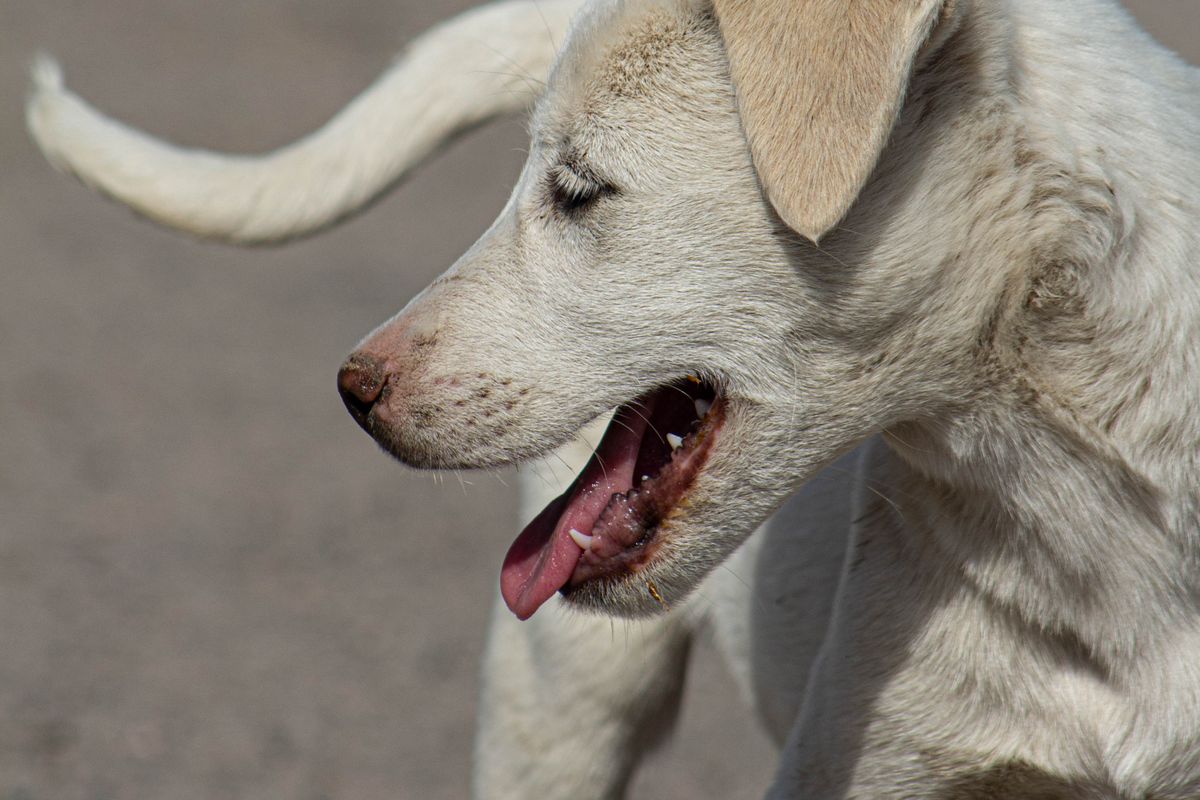
Puppy Feeding Chart: How Much to Feed by Age and Weight
Figuring out how much to feed a puppy is one of the most common — and most confusing — questions for new owners. Feed too little and growth suffers; feed too much and you risk joint problems, especially in larger breeds. The good news: it isn't complicated once you anchor to two things — your puppy's age and their expected adult weight.
This chart gives you a sensible starting point. Your specific bag of food and your vet's advice always win over any general table, because calorie density varies between brands.
🐾 Puppy Feeding Calculator
A starting-point estimate for how much and how often to feed your puppy.
First, the golden rules
Before any numbers, three principles matter more than exact grams:
- Follow the bag, then adjust to the dog. The feeding guide on your food is calibrated to that food's calories. Start there, then adjust based on your puppy's body condition.
- Feed for the adult size, not today's size. A Great Dane puppy and a Chihuahua puppy the same age need very different amounts. Growth rate matters.
- Divide the daily total across meals — don't add to it. More meals for young puppies is about steady blood sugar and digestion, not more food.
Meals per day by age
Young puppies can't hold much in a small stomach, so they eat little and often. As they grow, meals get bigger and less frequent.
| Puppy age | Meals per day |
|---|---|
| 6–12 weeks | 4 meals |
| 3–4 months | 4 meals |
| 4–6 months | 3 meals |
| 6–12 months | 2 meals |
| 12+ months | 2 meals (most dogs for life) |
Keep meals at roughly the same times each day. Predictable feeding makes potty training dramatically easier, because what goes in on a schedule comes out on a schedule.
How much to feed, by expected adult weight
The chart below is a general daily starting range for a typical dry puppy food. Split the daily amount across the number of meals for your puppy's age. Because calorie density differs by brand, treat these as a starting point and adjust.
Small breeds (adult weight up to ~20 lb)
| Age | Approx. daily food |
|---|---|
| 2–3 months | ⅓ – 1 cup |
| 4–5 months | ½ – 1¼ cups |
| 6–8 months | ⅔ – 1⅓ cups |
| 9–12 months | Transition toward adult portions |
Medium breeds (adult weight ~20–50 lb)
| Age | Approx. daily food |
|---|---|
| 2–3 months | 1 – 2 cups |
| 4–5 months | 1½ – 2¾ cups |
| 6–8 months | 2 – 3 cups |
| 9–12 months | 2 – 3 cups, tapering to adult |
Large & giant breeds (adult weight 50 lb+)
| Age | Approx. daily food |
|---|---|
| 2–3 months | 2 – 3 cups |
| 4–5 months | 3 – 4½ cups |
| 6–9 months | 4 – 6 cups |
| 9–14 months | Large-breed puppy food until growth slows |
Large-breed note: Big dogs should grow slowly and steadily, not as fast as possible. Overfeeding a large-breed puppy is linked to joint and bone problems. Use a food formulated for large-breed puppies and resist the urge to "fill them out."
The body-condition check (better than any chart)
Numbers are a starting point; your puppy's body is the real answer. Once a week, do this quick check:
- Ribs: Run your hands along the sides. You should feel the ribs easily under a thin layer of fat, without pressing hard. Clearly visible ribs = too thin. Can't find them = too heavy.
- Waist from above: Looking down, you should see a gentle hourglass — a waist behind the ribs.
- Tuck from the side: The belly should tuck up, not hang level with the chest.
If your puppy is trending heavy or thin, adjust the daily amount by about 10% and re-check in a week.
When (and how) to switch to adult food
Switching too early can shortchange growth; switching too late adds unnecessary calories. General timing:
- Small breeds: ~9–12 months
- Medium breeds: ~12 months
- Large/giant breeds: ~18–24 months
However you time it, transition over 7–10 days: mix a little more adult food and a little less puppy food each day. A sudden switch is a classic cause of upset stomachs.
A few feeding mistakes to avoid
- Free-feeding (leaving food out all day). It makes portion control impossible and potty training harder. Meals on a schedule are better.
- Counting treats as free. Treats should stay under 10% of daily calories. If you train a lot, subtract that from meals.
- Frequent food changes. Constantly switching brands upsets digestion. Pick a quality puppy food and stick with it.
- Guessing the portion. Use an actual measuring cup or a kitchen scale. "A scoop" drifts larger over time.
The bottom line
Start with the feeding guide on your chosen food, split the daily amount into the right number of meals for your puppy's age, and then let your puppy's body condition fine-tune the rest. Weigh in with your vet at each visit — they'll tell you if your growing dog is right on track. Feed consistently, watch the waistline, and you'll raise a lean, healthy adult dog.
Frequently Asked Questions
How many times a day should I feed my puppy?
From weaning to about 4 months, feed 4 meals a day. From 4 to 6 months, drop to 3 meals. From 6 to 12 months, feed 2 meals a day, which most dogs stay on for life.
How do I know if I’m feeding my puppy enough?
You should be able to feel — but not clearly see — your puppy’s ribs, and see a slight waist from above. Steady growth, firm stool, and good energy are the best signs. Your vet will track weight at each visit.
When should I switch my puppy to adult food?
Small breeds around 9–12 months, medium breeds around 12 months, and large or giant breeds around 18–24 months. Switch when growth slows, and always transition over 7–10 days.
Related Guides
Recommended Puppy Gear
The Pup Guide is reader-supported. As an Amazon Associate we earn from qualifying purchases, at no extra cost to you. See our affiliate disclosure.
- Large-breed / puppy food — match your vet’s recommendation
- Measuring cup or kitchen scale — accurate portions matter
- Slow-feeder bowl — for fast eaters
Wondering about adult size? Try our free puppy weight calculator to estimate how big your puppy will get.
This feeding chart is general guidance, not veterinary or nutritional advice for your individual dog. Calorie needs vary by breed, activity, health, and the specific food. Always follow your food's label and your veterinarian's recommendations.