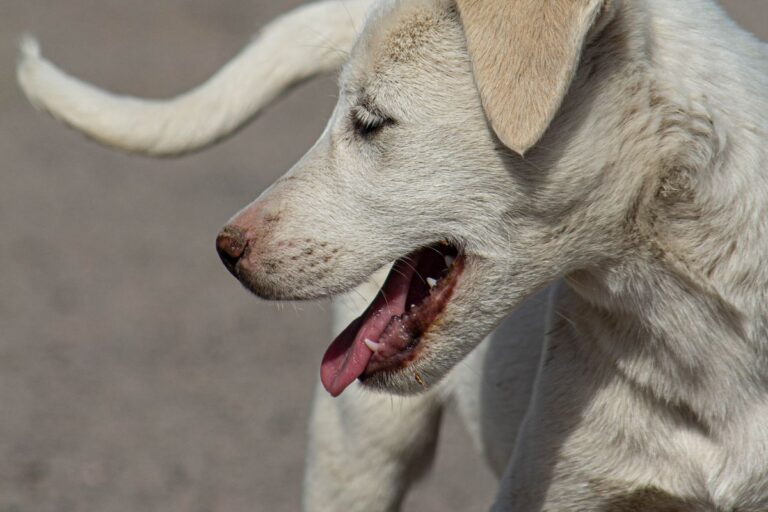

Puppy Teething Timeline: What to Expect Week by Week (and How to Help)
If your puppy is suddenly gnawing everything in sight, drooling more, and leaving tiny teeth around the house, welcome to teething. It's an uncomfortable but completely normal stage — and knowing what's coming makes it far easier to handle. Here's the week-by-week timeline, the signs your puppy is hurting, and how to bring safe relief.
The teething timeline at a glance
| Age | What's happening |
|---|---|
| 2–4 weeks | First baby teeth begin to emerge |
| 6–8 weeks | All 28 baby teeth are usually in |
| 12–16 weeks | Baby teeth start falling out; incisors go first |
| 16–20 weeks | Premolars and canines are replaced — the peak of teething |
| 6–7 months | All 42 adult teeth are in; teething is complete |
Every puppy runs a little ahead or behind this schedule, and smaller breeds sometimes teethe a touch later. Use it as a map, not a stopwatch.
Stage by stage
Weeks 2–8: baby teeth arrive
Those tiny, needle-sharp "milk teeth" come in while puppies are still with their litter. There are 28 of them, and they're famously sharp — nature's way of encouraging weaning.
Weeks 12–16: the baby teeth start dropping
Around now you'll spot gaps, maybe a little blood on a toy, and possibly find a tiny tooth (though puppies often swallow them harmlessly). Chewing ramps up as new teeth push through.
Weeks 16–20: peak teething
This is the tough stretch. Larger premolars and canines break through sore gums, and the urge to chew is at its strongest. Expect the most intense mouthing and the biggest test of your furniture's survival.
Months 6–7: all done
The full set of 42 adult teeth is in place. Chewing settles down (though many dogs remain enthusiastic chewers for life — that's normal and healthy with the right toys).
Signs your puppy is teething
- Intense, near-constant chewing
- More drooling than usual
- Small spots of blood on toys or bedding
- Missing teeth or visible gaps
- Slightly red or swollen gums
- Occasionally, a dip in appetite or a bit of fussiness
- Finding baby teeth around the house
Mild versions of these are normal. Significant appetite loss, lethargy, or clear pain deserve a vet call — teething shouldn't make a puppy genuinely unwell.
How to soothe sore gums safely
The magic word is cold, and the golden rule is safe materials:
- Frozen wet washcloth — twist a clean, damp cloth, freeze it, and let your puppy chew. Cheap, effective, and soothing.
- Chilled rubber teething toys — pop puppy-safe rubber toys in the fridge or freezer.
- Frozen carrot sticks (in moderation) — a natural, chewable cold treat for puppies already eating solids.
- Durable, size-appropriate chews — give the chewing urge a legitimate outlet.
Avoid: anything hard enough to crack a tooth (real bones, antlers, hard nylon for young puppies), and never use human teething gels or pain medications — many are toxic to dogs.
Protect your home (and your puppy)
Teething puppies will chew something — your job is to make it the right something.
- Puppy-proof aggressively: cords up, shoes away, remote controls out of reach.
- Keep chew toys in every room so a good option is always closer than your couch leg.
- Redirect calmly: when teeth meet furniture, swap in a toy and praise the switch.
- Rotate toys to keep them interesting.
This is also the ideal time to reinforce bite inhibition, since the chewing drive is peaking.
When to check with your vet
Most teething needs no medical help, but flag these:
- A retained baby tooth — if a baby tooth is still there while the adult tooth erupts beside it, it may need removal to prevent crowding and decay.
- Broken adult teeth from chewing something too hard.
- Persistent bad breath, bleeding, or swelling beyond mild teething.
- Genuine pain, refusal to eat, or lethargy.
A quick check at a routine visit usually settles any worry.
The bottom line
Puppy teething runs from about 12 weeks to 6–7 months, peaking around 16–20 weeks. Expect heavy chewing and a few lost teeth, soothe sore gums with cold and safe chews, puppy-proof your home, and skip anything hard or medicated. Ride out the peak with patience and the right toys, and you'll come out with a full set of healthy adult teeth — and mostly-intact furniture.
Frequently Asked Questions
At what age do puppies start and stop teething?
Puppies get their baby teeth by about 6–8 weeks, then begin losing them around 12–16 weeks as adult teeth push through. Most puppies have all 42 adult teeth and are done teething by around 6–7 months of age.
How can I soothe my teething puppy’s sore gums?
Offer safe chew toys, a frozen wet washcloth, or chilled rubber teething toys. The cold numbs sore gums. Avoid anything hard enough to crack a tooth, and never use human teething gels, which can be toxic to dogs.
Is it normal for puppies to swallow or lose teeth while teething?
Yes. Puppies lose 28 baby teeth, and they often swallow them harmlessly or you simply never find them. It’s rarely a concern. If a baby tooth stays put while the adult tooth comes in (a ‘retained’ tooth), mention it to your vet.
Related Guides
Recommended Puppy Gear
The Pup Guide is reader-supported. As an Amazon Associate we earn from qualifying purchases, at no extra cost to you. See our affiliate disclosure.
- Freezable teething toys — cold soothes sore gums
- Durable rubber chews — a safe outlet for chewing
Teething can also cause extra drool — see why puppies drool so much.
This article is general information, not veterinary advice. If your puppy seems to be in significant pain, won't eat, or has a retained or broken tooth, consult your veterinarian.