How to Stop a Puppy From Biting: What Works (and What Backfires)
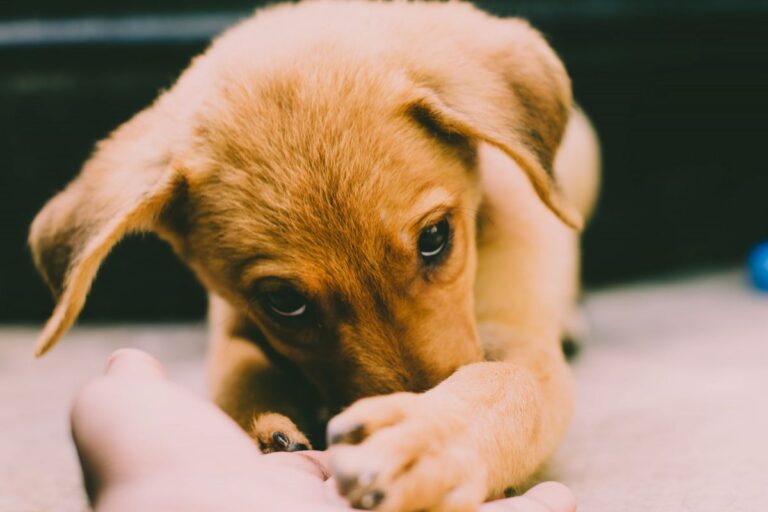
If your hands and ankles have become chew toys, take heart: puppy biting is completely normal, and it's temporary. Nearly every puppy goes through it. It's not aggression — it's how puppies explore, play, and cope with teething. Your job isn't to stamp it out with punishment; it's to teach your puppy that human skin is delicate and that there are better things to chew.
Here's how to do that gently and effectively.
First, understand why puppies bite
You can't fix a behavior you misunderstand. Puppies bite because:
- They explore with their mouths — it's their version of hands.
- They're teething — sore gums from about 12–20 weeks make chewing feel good.
- It's how they played — littermates wrestle and nip constantly; your puppy is just continuing the game.
- They're overtired or over-excited — a "zoomies" puppy often gets mouthy, much like an overtired toddler gets cranky.
Notice that none of these are bad intentions. That reframe matters, because it points you toward teaching, not punishing.
The core technique: teach bite inhibition
The goal isn't zero mouth contact overnight — it's teaching your puppy to control the pressure of their mouth, then fade it out. This is called bite inhibition, and it's one of the most important lessons a dog ever learns.
When your puppy bites too hard:
- Let out a high-pitched "yip" or "ouch" and immediately stop playing. This mimics how a littermate would react — "too hard, game over."
- Go still and briefly withdraw attention. Fold your arms, look away, or step away for 10–20 seconds.
- Resume calmly. The lesson: gentle mouths keep the fun going; hard bites end it.
Repeat consistently. Over days, your puppy learns to soften their bite, then to avoid skin altogether.
Redirect, redirect, redirect
Every time those needle teeth head for your hand, redirect to an appropriate chew — a toy, a rope, a teething-safe chew. The formula is simple:
Skin = fun stops. Toy = fun continues.
Keep chew toys within reach in every room so redirection is instant. A frozen wet washcloth or a chilled rubber toy is especially soothing during the teething peak.
Manage the triggers
A lot of biting is predictable, which means preventable:
- Overtired puppy? Mouthiness often means "I need a nap," not "I need more play." Enforce rest in the crate or a quiet space.
- Over-excited play? Keep sessions shorter and calmer. Wild wrestling teaches wild mouths.
- Kids and fast movement? Running and squealing triggers the chase-and-nip instinct. Teach kids to stand still like a "tree" and to trade a toy instead of yanking away.
What backfires (avoid these)
Well-meaning advice online often makes biting worse. Skip:
- Yelling or physical corrections (tapping the nose, holding the mouth shut). These frighten or over-excite the puppy and erode trust.
- Jerking your hand away fast. It looks like a fun game of chase and invites a harder lunge. Freeze instead.
- Rough wrestling with hands. It teaches that hands are toys — the exact opposite of your goal.
- Punishing after the fact. The puppy won't connect it and may just learn to fear you.
A simple daily anti-biting routine
- Plenty of appropriate chews available at all times.
- Enforced nap schedule — a rested puppy bites far less.
- Yip-and-pause for hard bites, every single time.
- Reward calm, gentle behavior — catch your puppy licking or mouthing softly and praise it.
- Daily physical and mental exercise — a puppy with an outlet has less pent-up mouthiness.
When biting is more than normal
True aggression in puppies is rare, but watch for context. Normal puppy biting is playful, loose-bodied, and often accompanied by zoomies. If you see stiff body language, growling that escalates, guarding of food or toys, or bites that seem driven by fear rather than play, loop in your veterinarian or a qualified positive-reinforcement trainer for a hands-on assessment.
The bottom line
Puppy biting is a phase, not a personality. Teach bite inhibition with the yip-and-pause, redirect relentlessly to chews, manage the overtired and over-excited moments, and skip the punishments that backfire. Stay consistent through the teething peak and you'll come out the other side with a gentle-mouthed dog — and hands that are no longer chew toys.
Frequently Asked Questions
Why does my puppy bite me so much?
Puppy biting is normal and almost never aggression. Puppies explore the world with their mouths, they’re often teething, and nipping is how they played with their littermates. It’s a developmental phase you guide them through, not a behavior problem to punish.
At what age do puppies stop biting?
Most puppies naturally reduce mouthing as they finish teething, around 6–7 months, and with consistent training many are much gentler well before then. The teething peak (and the worst biting) is usually between 12 and 20 weeks.
Should I punish my puppy for biting?
No. Physical corrections or yelling tend to make biting worse — they can frighten the puppy, escalate excitement, or damage trust. Redirection, teaching bite inhibition, and rewarding calm, gentle mouths work far better.
Related Guides
Recommended Puppy Gear
The Pup Guide is reader-supported. As an Amazon Associate we earn from qualifying purchases, at no extra cost to you. See our affiliate disclosure.
- Durable chew & teething toys — redirect the mouthing here
- Puzzle & lick mats — burns mental energy
This is general training guidance, not a substitute for professional help. If your puppy shows signs of genuine aggression or fear-based biting, consult your veterinarian or a certified trainer.