Why Is My Puppy Breathing So Fast? Normal vs. Warning Signs
If you've ever watched your sleeping puppy and noticed their little chest rising and falling rapidly — sometimes with twitching paws — you might have felt a jolt of worry. The good news: fast breathing in puppies is very often completely normal. But not always. Here's how to tell the difference between normal puppy breathing and the signs that mean you should call your vet.
Why puppies breathe fast (the normal reasons)
Puppies naturally breathe faster than adult dogs, and several everyday situations speed it up harmlessly:
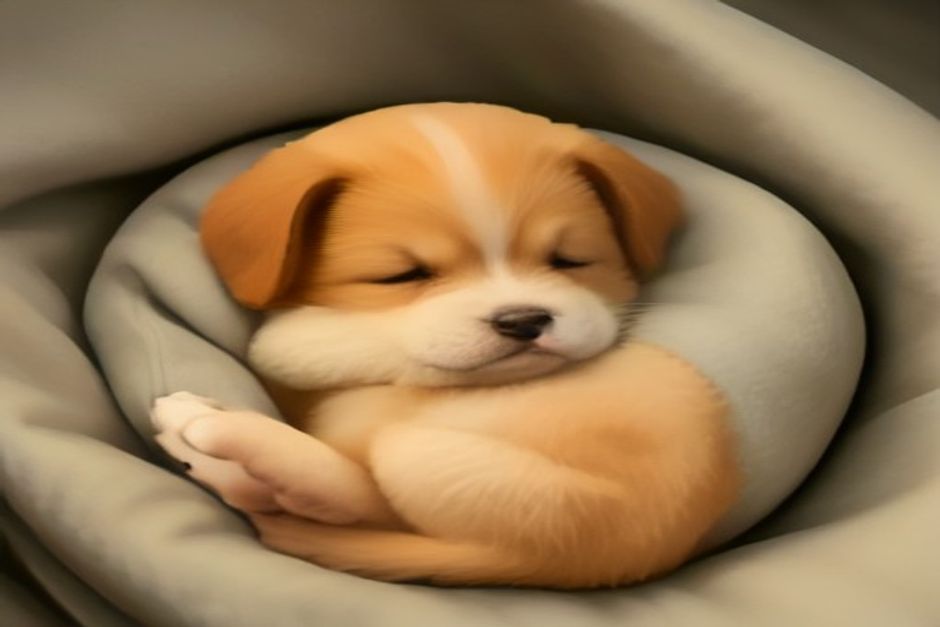
- Sleep and dreaming. This is the big one. Many puppies breathe rapidly — and twitch, paddle, or whimper — during deep, dreaming (REM) sleep. It usually looks more dramatic than it is and settles as they cycle out of deep sleep.
- After play or exercise. Just like us, puppies breathe hard to recover after a burst of activity.
- Excitement. A wound-up, happy puppy often pants and breathes fast.
- Heat. Dogs cool themselves by panting, so a warm puppy breathes faster.
The common thread: normal fast breathing settles once your puppy rests, cools down, and calms — and your puppy is otherwise bright and comfortable.
What's a "normal" breathing rate?
A calm, resting puppy typically takes somewhere around 15–40 breaths per minute, though puppies run higher and vary widely. The most useful number is your puppy's resting or sleeping rate when relaxed:
How to check: When your puppy is calmly resting or sleeping, count each breath (one rise + fall of the chest = one breath) for 30 seconds, then double it.
Knowing your puppy's normal resting rate makes it much easier to spot when something's genuinely off. It's worth checking occasionally when they're healthy so you have a baseline.
The warning signs — when fast breathing isn't normal
Call your vet if you notice:
- Fast breathing at rest that doesn't settle when your puppy is calm and cool
- Laboured breathing — heaving sides, exaggerated effort, flared nostrils, or a stretched-out neck and elbows held away from the body
- Blue-tinged, purple, or pale gums or tongue (an emergency — seek care immediately)
- Coughing, wheezing, or raspy sounds
- Lethargy, weakness, or collapse
- Loss of appetite alongside the breathing changes
- Open-mouth breathing when not hot or panting to cool down
Breathing that looks like effort, or that comes with pale/blue gums, is the biggest red flag — that can signal a genuine emergency and needs immediate veterinary attention.
Normal vs. concerning: a quick comparison
| Usually normal | Call the vet |
|---|---|
| Fast breathing during sleep/dreaming | Fast breathing at rest that won't settle |
| Panting after play, settles with rest | Laboured, effortful breathing |
| Faster when hot, slows when cool | Blue, purple, or pale gums |
| Puppy otherwise bright and playful | With coughing, lethargy, or appetite loss |
What to do
- If it's situational and settles (sleep, play, heat) and your puppy is otherwise happy — it's almost certainly normal. Keep an eye on them.
- Cool them down and offer water if heat or exercise is the cause.
- Check the resting rate when calm to compare against their baseline.
- If breathing is laboured, doesn't settle, or the gums look off — treat it as urgent and call your vet or an emergency clinic right away. Don't wait.
The bottom line
Fast breathing in a puppy is usually normal — especially during dreaming sleep, after play, or when excited or warm — and it settles as your puppy rests and cools. Learn your puppy's calm resting breathing rate so you have a baseline. The signs that turn "normal" into "call the vet" are fast breathing at rest that won't settle, breathing that looks like hard work, and any blue or pale gums — the last of which is an emergency. When in doubt about your puppy's breathing, it's always worth a call.
Frequently Asked Questions
Is it normal for puppies to breathe fast?
Often, yes. Puppies naturally breathe faster than adult dogs, and fast breathing is very common during and after play, when excited or hot, and especially while sleeping or dreaming — many puppies breathe rapidly during deep sleep. Fast breathing that settles when your puppy rests and calms is usually normal. Persistent fast breathing at rest, or breathing that looks like an effort, is different and needs a vet.
What is a normal breathing rate for a puppy?
A resting, healthy puppy typically breathes around 15–40 breaths per minute, though puppies tend toward the higher end and vary a lot. The most useful check is your puppy’s resting/sleeping rate when calm — count breaths for 30 seconds and double it. A consistently high resting rate, or laboured breathing, is a reason to call your vet, who can tell you what’s normal for your individual puppy.
When should I worry about my puppy’s fast breathing?
Worry if the fast breathing happens at rest and doesn’t settle, if it looks like hard work (heaving sides, flared nostrils, stretched-out neck), if the gums or tongue look bluish or pale, or if it comes with coughing, lethargy, or loss of appetite. Breathing difficulty can be a genuine emergency — if your puppy seems to be struggling to breathe or has blue-tinged gums, seek veterinary care immediately.
Related Guides
This is general information, not veterinary advice. Laboured breathing, breathing difficulty, or pale/blue gums can be a life-threatening emergency. If your puppy appears to be struggling to breathe, seek veterinary care immediately, and consult your vet about any persistent change in your puppy's breathing.