Can Dogs Eat Shrimp? Benefits, Risks & How to Serve It
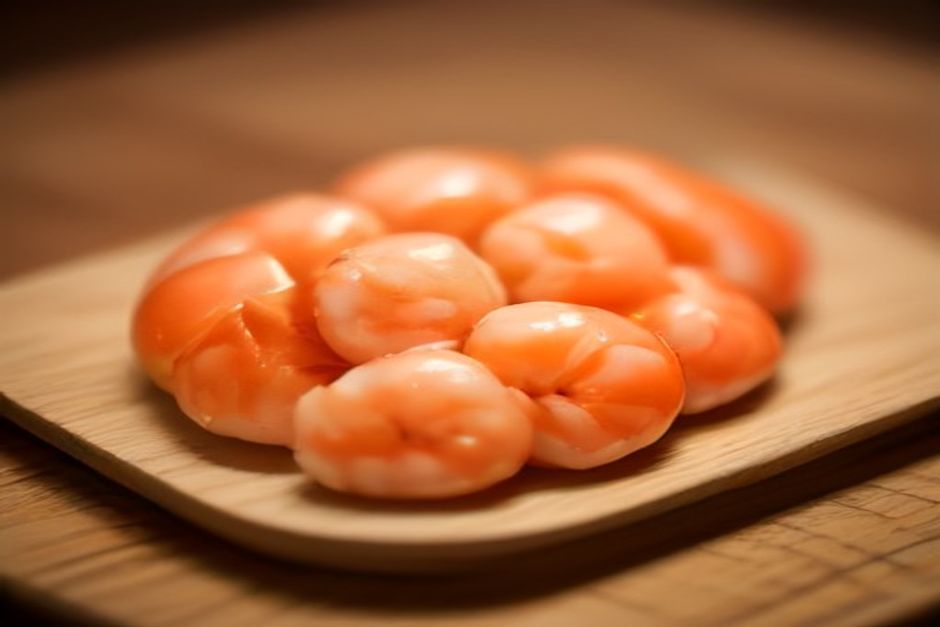
Yes – dogs can eat cooked, plain shrimp in moderation. Shrimp is a lean, protein-rich treat that's safe when it's fully cooked, peeled, and deveined. The cautions: never feed it raw, skip the shells and tails, and keep portions small because shrimp is high in cholesterol and sodium.
The short answer
- Safe? Yes – cooked, peeled, and plain.
- How much? 1-3 small shrimp depending on dog size (treats = max 10% of daily calories).
- Watch out for: raw shrimp, shells/tails, seasoning, and shellfish allergies.
Is shrimp good for dogs?
In small amounts, plain cooked shrimp offers real nutrition:
- Lean protein – supports muscle health with little fat.
- Vitamin B12 and niacin – support metabolism and a healthy nervous system.
- Phosphorus – supports strong bones.
- Antioxidants (like astaxanthin) – help protect cells.
It's low in calories, which makes it a nice occasional reward – as long as it's prepared correctly.
How much shrimp can a dog eat?
Shrimp is rich in cholesterol and sodium, so keep it to the 10% treat rule:
| Dog size | Example weight | Safe serving (cooked, plain) |
|---|---|---|
| Toy / very small | under 10 lb | ½-1 small shrimp |
| Small | 10-25 lb | 1 shrimp |
| Medium | 25-50 lb | 1-2 shrimp |
| Large | 50 lb+ | 2-3 shrimp |
Offer it occasionally, not as a regular part of the diet.
How to serve shrimp safely
- Cook it fully – boiled or steamed is best. Never raw.
- Peel and devein – remove the shell, tail, legs, and the dark vein.
- Keep it plain – no salt, butter, oil, garlic, onion, or seasoning (garlic and onion are toxic).
- Cut into pieces for small dogs to prevent choking.
Risks: raw shrimp, shells, and salt
- Raw shrimp can carry Salmonella, Vibrio, or parasites – cook it through.
- Shells and tails are sharp and indigestible – a choking and blockage hazard.
- Seasoning and frying (scampi, fried shrimp, cocktail sauce) add salt, fat, and toxic ingredients.
- Allergies – shellfish allergies happen; start small and watch for a reaction.
- Cholesterol/sodium – too much shrimp isn't ideal, especially for dogs with health conditions.
Can puppies eat shrimp?
A small bite of fully cooked, peeled, plain shrimp is generally fine for puppies on solid food. Because of the allergy and choking risks, introduce it slowly in tiny amounts and check with your vet.
When to call your vet
Contact your vet if your dog:
- Ate raw shrimp or shells and is vomiting, drooling, straining, or off food,
- Shows an allergic reaction (itching, facial swelling, hives, vomiting),
- Or got into heavily seasoned/garlic shrimp dishes.
Poison control: ASPCA (888-426-4435) or Pet Poison Helpline (855-764-7661).
The bottom line
Cooked, peeled, plain shrimp is a safe, protein-packed treat for dogs in small amounts. Skip the raw shrimp, shells, and seasoning, watch for allergies, and shrimp can be an occasional treat you both enjoy.
Related guides
- Foods Dogs Can & Can't Eat: the complete safe & toxic list
- Can dogs eat bananas?
- Can dogs eat blueberries?
Related Guides
- Foods Dogs Can & Can’t Eat: The Complete List
- Puppy Feeding Chart by Age & Weight
- Best Chew Toys for Puppies
Frequently Asked Questions
Can dogs eat raw shrimp?
No. Raw shrimp can carry harmful bacteria like Salmonella and parasites. Always cook shrimp fully (plain, no oil or seasoning) before giving it to your dog.
Can dogs eat shrimp tails and shells?
No. Shells and tails are sharp and hard to digest, posing a choking and intestinal-blockage risk. Always peel and devein shrimp completely first.
How much shrimp can a dog eat?
Treats should stay under 10% of daily calories. One or two small cooked shrimp is plenty for a small dog; a few for a large dog. Shrimp is high in cholesterol and sodium, so don’t overdo it.
Can puppies eat shrimp?
A small piece of fully cooked, peeled, plain shrimp is generally okay for puppies on solid food, but introduce it slowly because of the allergy and choking risks. Ask your vet first.
Can dogs be allergic to shrimp?
Yes. Shellfish allergies are possible in dogs. The first time you offer shrimp, give a tiny amount and watch for itching, swelling, vomiting, or diarrhea.
This article is for general informational purposes and is not a substitute for professional veterinary advice. Always check with your veterinarian before adding new foods, especially if your dog has a health condition.