Can Dogs Eat Almonds? Why Vets Say to Skip Them
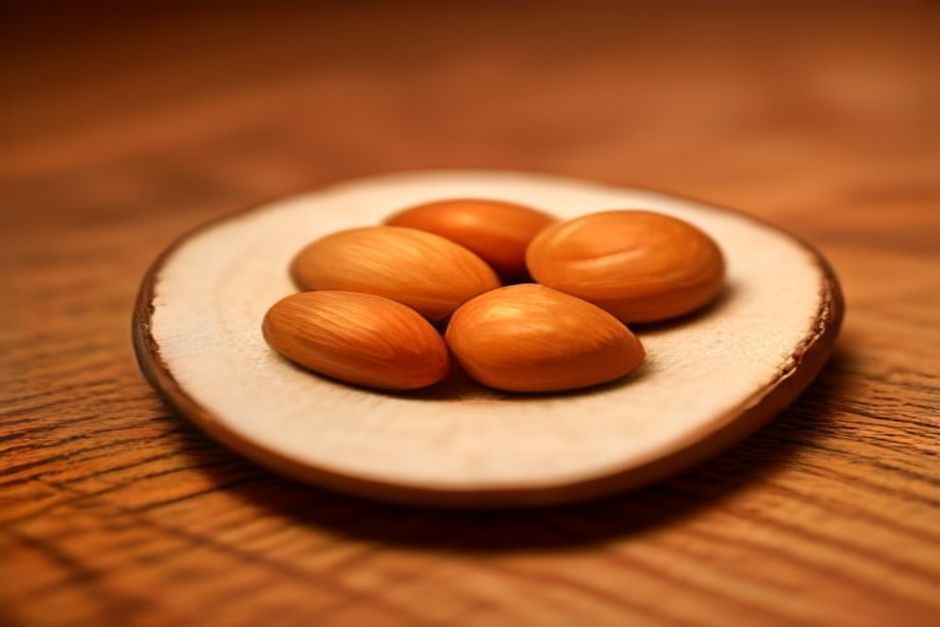
Almonds aren't the best choice for dogs – most vets recommend skipping them. They aren't toxic the way chocolate or grapes are, but they're hard for dogs to digest and carry real risks: choking, intestinal blockage, stomach upset, and even pancreatitis from the fat. A stray almond usually isn't an emergency, but they shouldn't be a treat.
The short answer
- Safe? No – not toxic, but not safe to feed.
- A few? A medium/large dog that eats a couple of plain almonds will likely be fine.
- Watch out for: choking, blockages (small dogs), salt and flavorings, and high fat causing pancreatitis.
Why almonds aren't good for dogs
Unlike people, dogs don't digest almonds well. The main concerns are:
- Choking and blockages. Almonds are hard and the wrong size to swallow safely – a real choking hazard, and in small dogs they can cause an intestinal obstruction.
- Stomach upset. Many dogs get vomiting, diarrhea, or gas from almonds.
- High fat. A high-fat snack can trigger pancreatitis, a painful and sometimes serious inflammation of the pancreas.
- Salt and seasonings. Salted, smoked, or flavored almonds add far too much sodium, and some seasonings (like garlic or onion powder) are toxic to dogs.
What to do if your dog ate almonds
- Note how many and what kind (plain, salted, flavored, chocolate-covered).
- A few plain almonds, big dog: usually just watch for mild stomach upset and offer water.
- A lot of almonds, a small dog, or flavored/chocolate-covered: call your vet. Chocolate-covered almonds are a double risk (chocolate is toxic).
- Watch for blockage or pancreatitis signs: repeated vomiting, no appetite, a hunched/painful belly, straining, or lethargy – these need a vet.
Don't try to make your dog vomit unless a vet tells you to.
Signs to watch for
- Choking or gagging right after eating
- Vomiting or diarrhea
- Loss of appetite, lethargy, or a painful abdomen (possible pancreatitis or blockage)
- Straining to poop or no bowel movements
Can puppies eat almonds?
No. Puppies have smaller airways and more delicate stomachs, so the choking and blockage risks are even higher. Skip almonds entirely for puppies.
Safer treats instead
If you want to reward your dog, reach for:
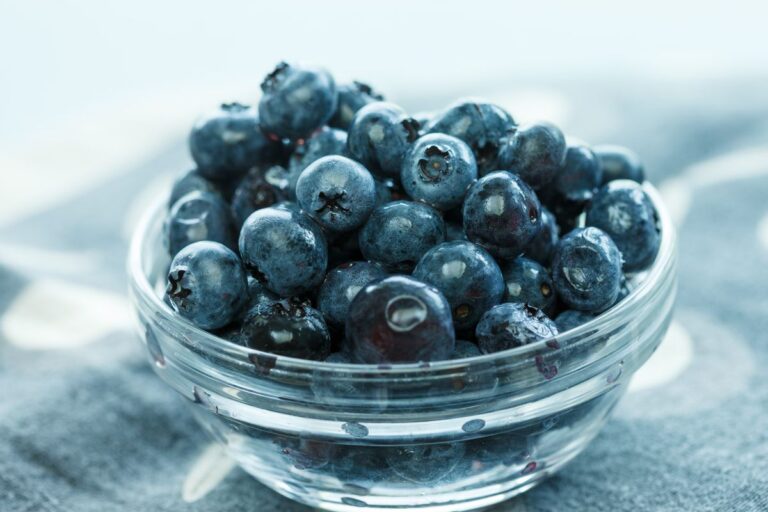
- Blueberries or banana slices
- Carrot sticks or plain cooked sweet potato
- Plain, unsalted peanuts (in small amounts) or xylitol-free peanut butter
- A quality dog-specific treat
When to call your vet
Call your vet or poison control if your dog:
- Is choking, gagging, or struggling to breathe (emergency),
- Ate a large quantity of almonds or any chocolate-covered/flavored ones,
- Or shows repeated vomiting, a painful belly, or loss of appetite.
Poison control: ASPCA (888-426-4435) or Pet Poison Helpline (855-764-7661).
The bottom line
Almonds aren't poisonous, but they're a poor and slightly risky snack for dogs. One or two won't usually harm a big dog, but there's no benefit and several downsides – so keep the almonds for yourself and give your pup a dog-safe treat instead.
Related guides
- Foods Dogs Can & Can't Eat: the complete safe & toxic list
- Can dogs eat walnuts?
- Can dogs eat blueberries?
Related Guides
- Foods Dogs Can & Can’t Eat: The Complete List
- Puppy Feeding Chart by Age & Weight
- Best Chew Toys for Puppies
Frequently Asked Questions
Are almonds toxic to dogs?
Almonds are not technically toxic the way chocolate or grapes are, but they are not safe to feed. They’re hard to digest and pose choking, blockage, and pancreatitis risks, so vets recommend avoiding them.
My dog ate a few almonds – what should I do?
A few plain almonds will likely just cause mild stomach upset in a medium or large dog. Watch for vomiting, diarrhea, choking, or signs of blockage, and call your vet if your dog is small, ate a lot, or seems unwell.
Are flavored or salted almonds worse for dogs?
Yes. Salted, smoked, and flavored almonds add too much salt and seasonings, and some coatings contain garlic, onion, or other harmful ingredients. These are more dangerous than plain almonds.
Can dogs eat almond butter?
Plain almond butter in tiny amounts is less risky than whole almonds because it’s smooth, but it’s high in fat and calories. Always check that it’s xylitol-free. Plain peanut butter (xylitol-free) is a safer choice.
What nuts are safe for dogs?
Plain, unsalted peanuts in small amounts are generally fine. Most other nuts – almonds, walnuts, pecans, and especially macadamia nuts (which are toxic) – are best avoided.
This article is for general informational purposes and is not a substitute for professional veterinary advice. Always check with your veterinarian before adding new foods, especially if your dog has a health condition.