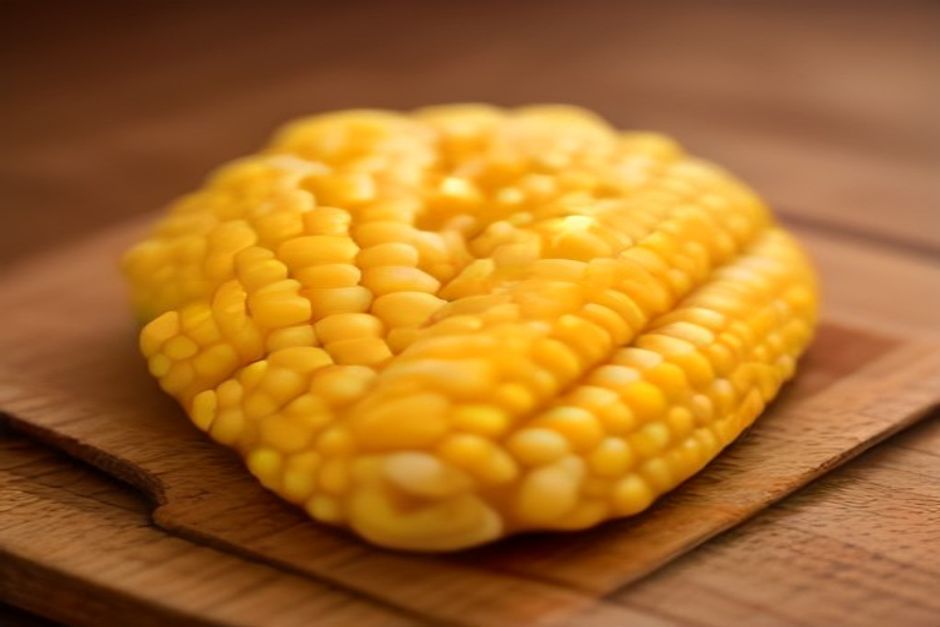
Can Dogs Eat Corn? Yes — But Never the Cob
Yes — dogs can eat plain corn kernels in moderation, but never corn on the cob. Plain cooked kernels are safe (corn is even a common dog-food ingredient), but the cob is genuinely dangerous — it's a leading cause of intestinal blockages in dogs.
The short answer
- Safe? Plain kernels, yes, in moderation. The cob, never.
- How much? A spoonful to a small handful of plain kernels, occasionally.
- Watch out for: corn cobs (blockage emergency), butter/salt, and canned/creamed corn.
The big danger: corn on the cob
This is the most important rule. Never let your dog eat or chew a corn cob. Dogs can't digest the cob, and a swallowed cob — or even a chunk of one — commonly lodges in the intestines and causes a blockage that often requires emergency surgery. It's one of the most frequent summer-BBQ emergencies vets see.
Always cut the kernels off, and dispose of the cob where your dog absolutely cannot get to it (including trash bins they can raid).
Are corn kernels good for dogs?
Plain corn kernels are safe and provide:
- Carbohydrates for energy
- Fiber for digestion
- Protein, plus some vitamins and antioxidants (lutein/zeaxanthin)
Corn is a common, digestible ingredient in many quality dog foods — so kernels in moderation are perfectly fine for most dogs (barring a rare corn allergy).
How much corn can a dog eat?
Keep it to the 10% treat rule:
| Dog size | Example weight | Safe serving (plain kernels) |
|---|---|---|
| Toy / very small | under 10 lb | ~1 teaspoon |
| Small | 10–25 lb | ~1 tablespoon |
| Medium | 25–50 lb | 1–2 tablespoons |
| Large | 50 lb+ | a small handful |
How to serve corn safely
- Cut kernels off the cob — always.
- Serve plain — no butter, salt, or seasoning.
- Skip canned and creamed corn (added salt, sugar, preservatives).
- Plain air-popped popcorn is an okay occasional alternative — no butter or salt, and avoid unpopped kernels.
My dog ate a corn cob — what now?
Treat it as an emergency. Call your vet or an emergency clinic right away, even if your dog seems fine. Watch for vomiting, loss of appetite, straining to poop, a hunched or painful belly, or lethargy — signs of a blockage. Don't wait.
Can puppies eat corn?
A tiny amount of plain kernels is generally fine for puppies on solid food, but keep cobs completely out of reach — the blockage risk is even higher for small dogs.
When to call your vet
Immediately if your dog ate a corn cob or shows signs of a blockage (vomiting, no appetite, straining, painful belly). Also call if your dog has a suspected corn allergy (itching, ear infections, tummy upset).
Poison control: ASPCA (888-426-4435) or Pet Poison Helpline (855-764-7661).
The bottom line
Plain corn kernels are a safe, occasional treat — but the cob is a real danger that can cause a life-threatening blockage. Cut the kernels off, serve them plain, and keep cobs far out of reach.
Related guides
- Foods Dogs Can & Can't Eat: the complete safe & toxic list
- Can dogs eat popcorn?
- Can dogs eat carrots?
Frequently Asked Questions
Why can’t dogs eat corn on the cob?
The cob is the real danger. Dogs can’t digest it, and a swallowed cob (or piece of one) often causes a serious intestinal blockage that may need emergency surgery. Always cut kernels off the cob and throw the cob away where your dog can’t reach it.
Are plain corn kernels safe for dogs?
Yes — plain, cooked corn kernels are safe in small amounts and are actually a common ingredient in dog food. Avoid butter, salt, and seasonings.
My dog ate a corn cob — what should I do?
Call your vet or an emergency clinic right away, even if your dog seems fine. Corn cobs frequently cause blockages. Watch for vomiting, loss of appetite, straining, or a painful belly, and don’t wait for symptoms to worsen.
Can dogs eat popcorn or canned corn?
Plain air-popped popcorn is okay in small amounts. Canned and creamed corn are best avoided due to added salt, sugar, and preservatives. Plain corn kernels are the safest form.
How much corn can a dog eat?
A spoonful of plain kernels for a small dog, up to a small handful for a large dog, as an occasional treat. Keep it within the 10% treat rule.
This article is for general informational purposes and is not a substitute for professional veterinary advice. If your dog ate a corn cob, contact your veterinarian or an emergency clinic immediately.