Can Dogs Eat Watermelon? Benefits, Risks & Safe Portions
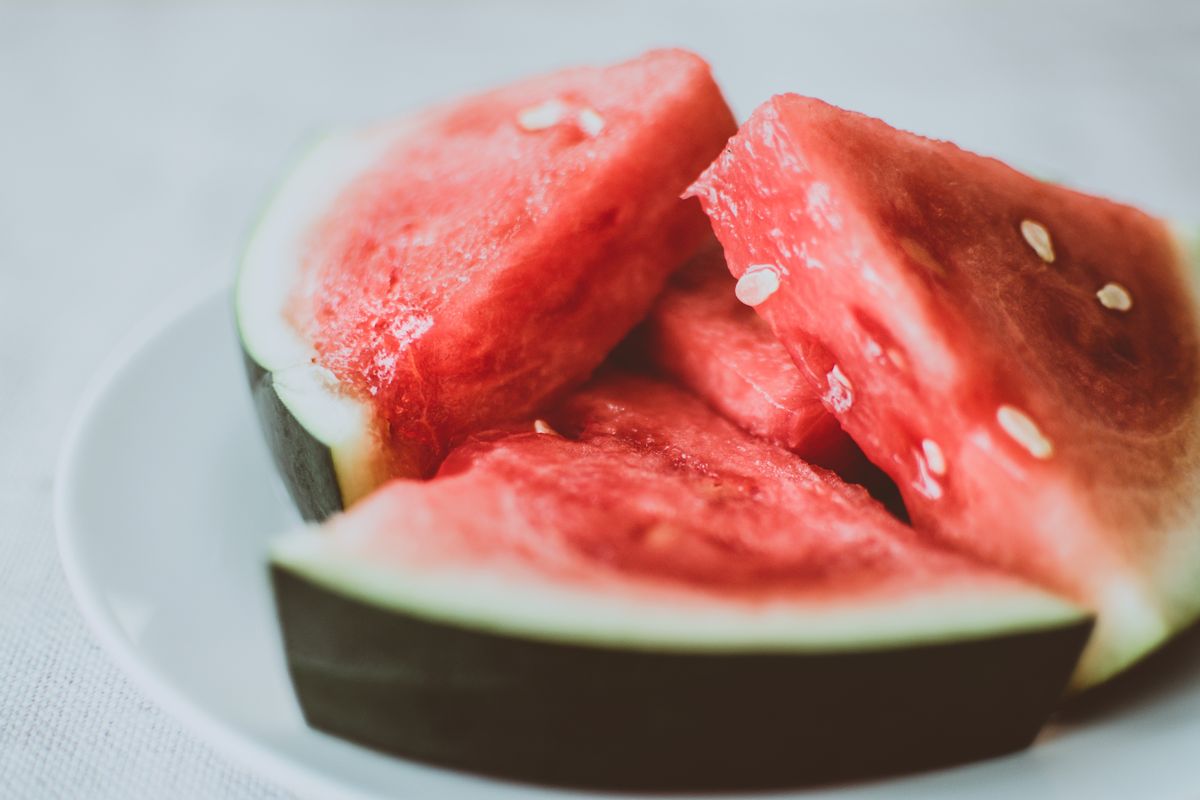
Yes — dogs can eat watermelon, and most love it. The seedless pink flesh is a safe, hydrating, low-calorie treat. The only rules: remove the seeds and never feed the rind.
The short answer
- Safe? Yes, in moderation.
- How much? A few small, seedless cubes — treats = max 10% of daily calories.
- Watch out for: seeds (blockage risk), the rind (indigestible), and too much causing diarrhea.
Is watermelon good for dogs?
Watermelon is one of the better fruity treats you can give a dog. It's about 92% water, making it fantastic for hydration on hot days, and it's low in calories. The flesh also provides:
- Vitamin A – supports vision, skin, and coat health.
- Vitamin C – an antioxidant that supports the immune system.
- Vitamin B6 and potassium – support muscle and nerve function.
- Fiber – aids digestion in small amounts.
It contains no fat and very little sodium, so a few cubes are a guilt-free reward.
How much watermelon can a dog eat?
Stick to the 10% treat rule. Watermelon's high water and natural sugar content means too much will cause loose stools, so portions matter:
| Dog size | Example weight | Safe watermelon serving |
|---|---|---|
| Toy / very small | under 10 lb | 1–2 small cubes |
| Small | 10–25 lb | 2–3 cubes |
| Medium | 25–50 lb | a small handful of cubes |
| Large | 50–90 lb | up to ~1 cup, cubed |
| Giant | 90 lb+ | ~1 cup+ |
Offer it as an occasional snack, not a daily food.
How to serve watermelon safely
- Remove all seeds. Buy seedless, or scoop out the black seeds first.
- Cut off the rind. Feed only the soft pink flesh.
- Chop into bite-size cubes to prevent choking.
- Freeze it for a cooling summer treat, or blend seedless flesh into "nice cream" and freeze in a lick mat.
Risks: seeds, rind, and overdoing it
- Seeds can cause an intestinal blockage if a dog eats a lot of them — a real risk for small dogs.
- The rind is too tough to digest and can cause vomiting, diarrhea, or a blockage. Dogs may also try to gulp big pieces, which is a choking hazard.
- Too much flesh leads to diarrhea or an upset tummy from all the water and sugar.
- Diabetic or overweight dogs should have watermelon only with your vet's okay, because of the natural sugar.
Can puppies eat watermelon?
Yes. Once your puppy is eating solid food, a small piece of seedless, rind-free watermelon is a safe treat. Start with one little cube and watch for any digestive upset before offering more.
When to call your vet
Watermelon flesh is very safe, but contact your vet if your dog:
- Ate a large amount of seeds or rind and is vomiting, straining, or off their food (possible blockage),
- Has persistent diarrhea after eating watermelon,
- Or shows signs of bloating or abdominal pain.
For emergencies you can also call the ASPCA Animal Poison Control Center (888-426-4435) or Pet Poison Helpline (855-764-7661).
The bottom line
Seedless, rind-free watermelon is a refreshing, healthy treat that's perfect for cooling your dog down in summer. Keep portions small, skip the seeds and rind, and it's a snack you can both feel good about.
Related guides
Related Guides
- Foods Dogs Can & Can’t Eat: The Complete List
- Puppy Feeding Chart by Age & Weight
- Best Chew Toys for Puppies
Frequently Asked Questions
Can dogs eat watermelon seeds?
It’s best to remove them. A stray seed or two won’t poison your dog, but a mouthful of seeds can cause an intestinal blockage, especially in small dogs. Always feed seedless or de-seeded watermelon.
Can dogs eat the watermelon rind?
No. The hard green rind is difficult to digest and can cause stomach upset or a blockage. Only feed the soft pink flesh.
Is watermelon good for dogs in summer?
Yes — watermelon is about 92% water, so it’s a refreshing, hydrating treat on hot days. Frozen chunks make a great cool-down snack.
How much watermelon can a dog have?
Keep treats to 10% of daily calories. A few small cubes is plenty for most dogs; less for toy breeds. Too much can cause diarrhea because of the water and sugar.
Can puppies eat watermelon?
Yes, a small piece of seedless, rind-free watermelon is fine for puppies on solid food. Introduce it slowly and in tiny amounts.
This article is for general informational purposes and is not a substitute for professional veterinary advice. Always check with your veterinarian before adding new foods, especially if your dog has a health condition.