
Can Dogs Eat Chocolate? No — Why It’s Toxic & What to Do
No — chocolate is toxic to dogs. Darker chocolate is more dangerous. Learn the symptoms of chocolate poisoning and exactly what to do if your dog ate chocolate.
Is it safe for dogs to eat this food? Vet-informed answers on fruits, vegetables, and human foods.

No — chocolate is toxic to dogs. Darker chocolate is more dangerous. Learn the symptoms of chocolate poisoning and exactly what to do if your dog ate chocolate.

No — grapes and raisins are toxic to dogs and can cause sudden kidney failure, even in small amounts. Learn the symptoms and exactly what to do if your dog ate grapes.

Yes, dogs can eat ripe mango in moderation – a sweet, vitamin-rich treat. Learn safe portions, why the pit and skin are dangerous, and how to serve it.

Yes, dogs can eat egg shells when ground into powder – they’re a natural calcium source. Learn the benefits, the right way to prepare them, and the risks.

Yes, dogs can eat plain cooked beets in moderation. Learn the benefits, why canned/pickled beets are a no, safe portions, and how to serve them.
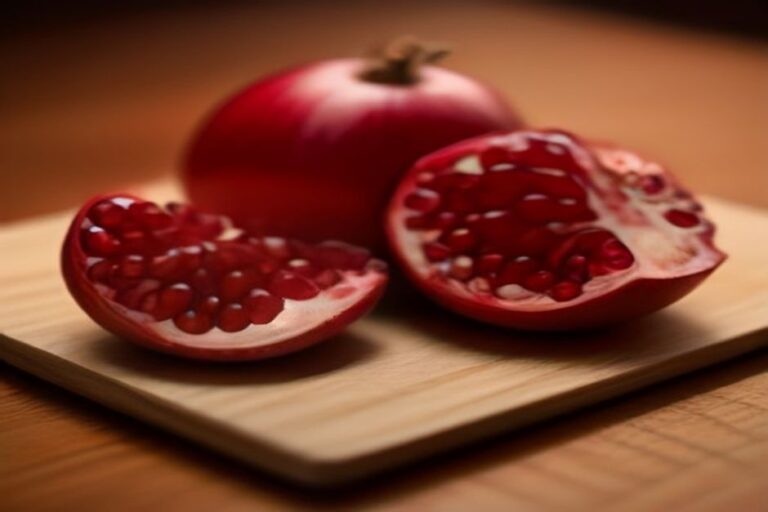
Can dogs eat pomegranate? The seeds are safe in small amounts but can upset stomachs, and the peel is a no. Learn safe portions and how to serve it.
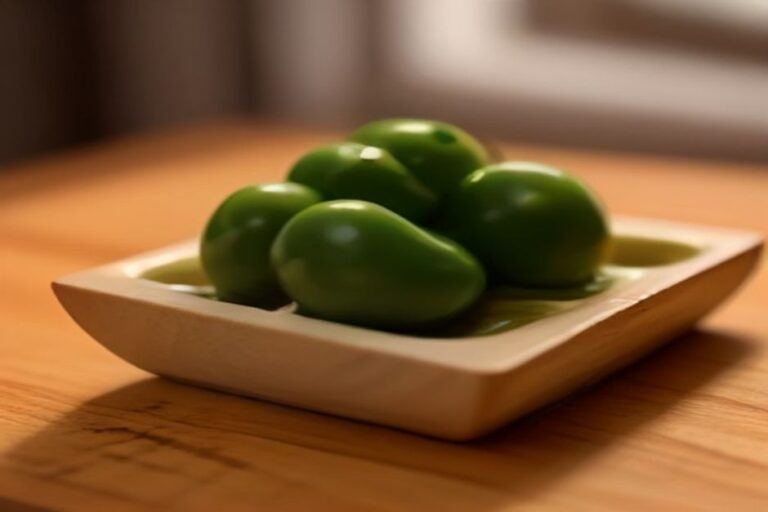
Can dogs eat olives? Plain, pitted olives are safe in small amounts, but salty, stuffed, and brined olives are not. Learn safe portions and what to avoid.

Yes, dogs can eat ripe papaya in moderation. Learn the benefits, why you must remove the seeds and skin, safe portions by dog size, and when to call your vet.
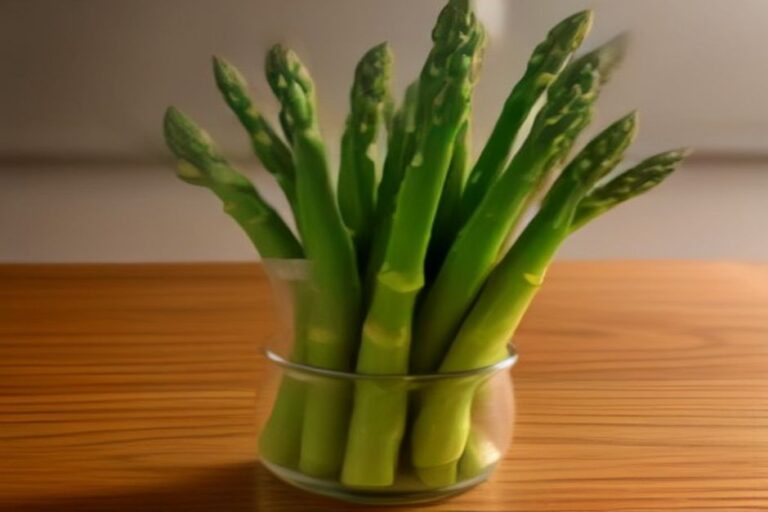
Yes, dogs can eat cooked asparagus in moderation. Learn the benefits, why raw asparagus is risky, safe portions, and which parts to avoid (like the fern).

Can dogs eat pickles? It’s best to avoid them – the high salt, vinegar, and spices (often garlic and onion) make pickles a poor and sometimes risky choice.