How Much Do Puppies Sleep? A Age-by-Age Guide to Puppy Rest
New puppy owners are often surprised — sometimes worried — by just how much their puppy sleeps. Here's the reassuring truth: a lot of sleep is exactly what a healthy puppy needs. In fact, one of the most common new-owner mistakes is not letting a puppy sleep enough. Let's break down how much rest puppies really need, why it matters so much, and how to help an overtired little one settle.
The short answer
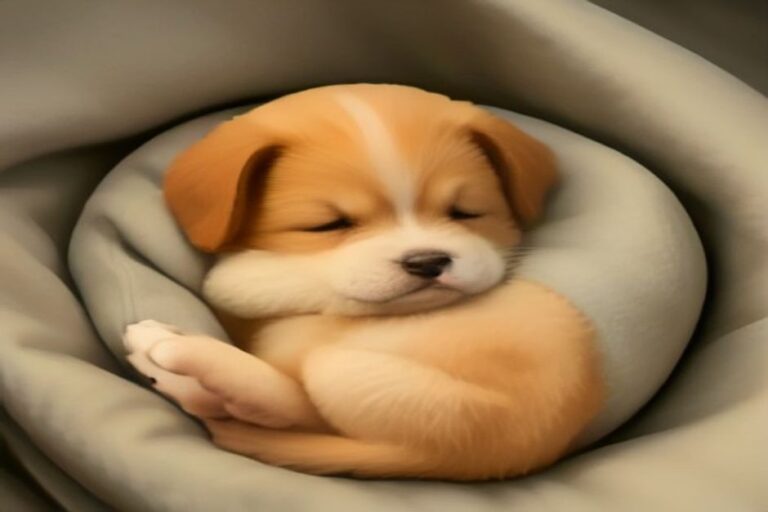
Most young puppies sleep 18–20 hours a day. Yes, really. That's overnight sleep plus a steady rhythm of daytime naps between short bursts of play, eating, and exploring. As they grow up, that total gradually drops toward the adult-dog average of about 12–14 hours.
How much puppies sleep, by age
| Puppy age | Typical sleep per day |
|---|---|
| 8–12 weeks | 18–20 hours |
| 3–4 months | 17–19 hours |
| 5–6 months | 16–18 hours |
| 7–12 months | 14–16 hours |
| Adult (1 yr+) | 12–14 hours |
These are ballpark figures — individual puppies and breeds vary. Big breeds and very active puppies often sleep at the higher end.
Why puppies need so much sleep
Sleep isn't downtime for a puppy — it's when the important work happens:
- Physical growth. Puppies grow at an astonishing rate, and much of that development happens during sleep.
- Brain development and learning. Everything your puppy experiences and learns gets consolidated during rest. A well-rested puppy literally learns better.
- Immune health. Sleep supports the developing immune system during a vulnerable stage.
- Emotional regulation. Just like toddlers, puppies who don't get enough sleep become cranky, mouthy, and hard to manage.
That last point is the one owners miss most.
The overtired puppy trap
Here's a counterintuitive truth: a puppy who is biting, zooming around wildly, and seemingly "won't calm down" is often overtired, not under-exercised. The instinct is to play with them more — which winds them up further.
Signs of an overtired puppy:
- Frantic biting and nipping
- The "witching hour" zoomies, often in the evening
- Inability to settle, whining, general crankiness
- Getting the hiccups or being clumsy
The fix is usually more rest, not more activity. Guide them to a quiet nap.
How to help your puppy get enough rest
- Use the crate or a quiet space as a calm nap zone. A covered crate signals "it's rest time."
- Build nap breaks into the day. After play, eating, or a training session, expect and encourage a nap.
- Enforce quiet time. In a busy household, a puppy may fight sleep out of FOMO. A calm, low-stimulation space helps.
- Watch the clock, not just the puppy. Young puppies often can only stay happily awake for an hour or two before they need to sleep again.
- Keep evenings calm to head off the witching-hour meltdown.
A realistic daily rhythm
For a young puppy, the day tends to flow in short cycles:
Wake → potty → short play/training → eat → potty → nap → repeat
Each awake period might be just 1–2 hours before the next nap. That rhythm, repeated, is a happy and healthy puppy day.
When lots of sleep might warrant a vet check
Heavy sleep is normal — but pair it with context. Check with your vet if excessive sleepiness comes alongside:
- Lethargy or weakness even when awake
- Loss of appetite
- Vomiting, diarrhea, or other illness signs
- Difficulty waking, or unusual behavior changes
Normal puppy sleep is easy to wake from and followed by bright, playful energy. Sleep that seems like true exhaustion or illness is different.
The bottom line
If it feels like your puppy sleeps most of the day — they should. Aim to protect that rest rather than interrupt it, watch for the overtired-not-under-exercised trap, and build a predictable rhythm of play and naps. All that sleep is your puppy growing, learning, and becoming the happy, healthy dog you're raising.
Frequently Asked Questions
How many hours a day should a puppy sleep?
Young puppies typically sleep 18–20 hours a day. That includes overnight sleep plus frequent daytime naps. As they mature toward adulthood, sleep gradually settles to around 12–14 hours a day. Puppies need far more rest than most new owners expect.
Why does my puppy sleep so much?
Sleep is when puppies grow and when their brains consolidate everything they’re learning. Rapid physical development and constant new experiences are exhausting. Lots of sleep is a sign of a healthy, growing puppy — not laziness or illness.
Is my puppy sleeping too much or too little?
Occasional big sleep days are normal. Be concerned only if excessive sleep comes with lethargy, loss of appetite, or other symptoms — or if a puppy truly can’t settle and is chronically overtired and cranky. When in doubt, check with your vet.
Related Guides
Recommended Puppy Gear
The Pup Guide is reader-supported. As an Amazon Associate we earn from qualifying purchases, at no extra cost to you. See our affiliate disclosure.
- Dog crate with divider — a calm nap den
- Orthopedic puppy bed — supportive rest
Ever wonder what those sleep twitches mean? See do puppies dream.
This article is general information, not veterinary advice. If your puppy's sleep or energy changes noticeably, or excessive sleep comes with other symptoms, consult your veterinarian.