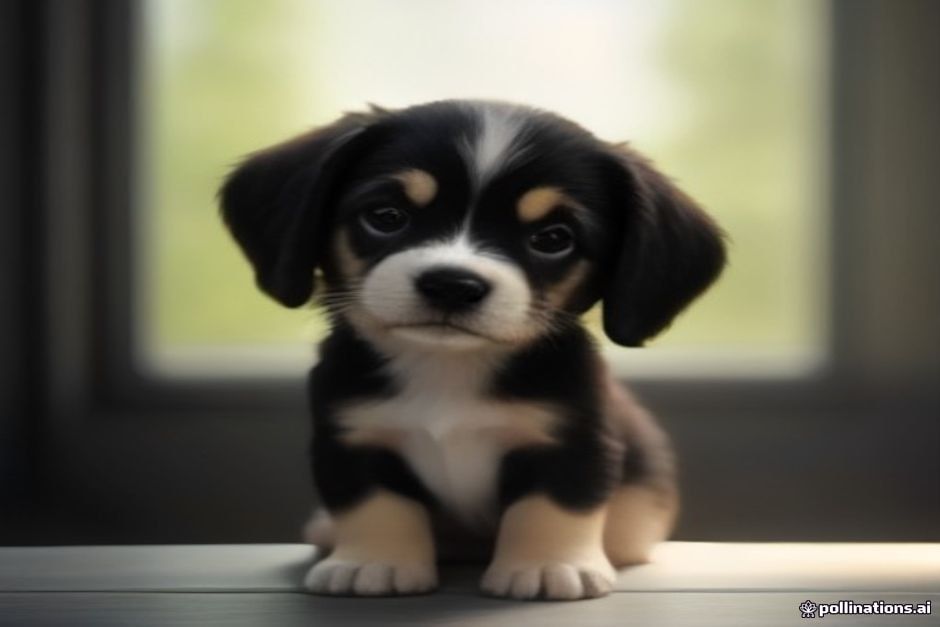
Why Do Puppies Get Hiccups? (And How to Help Them Stop)
If your new puppy seems to get the hiccups constantly, you're not imagining it — and you don't need to worry. Puppy hiccups are completely normal and almost always harmless. In fact, puppies hiccup far more than adult dogs. Here's why they happen so often, simple ways to help them pass, and the rare signs that mean it's worth a vet call.
Why puppies hiccup so much
A hiccup is an involuntary spasm of the diaphragm — the muscle that controls breathing — followed by the glottis snapping shut, which makes the classic "hic" sound. Puppies get them more than grown dogs for a few reasons:
- Their diaphragm is still developing. Young, immature muscles spasm more easily.
- They do everything fast and excitedly. Gulping food and water, and bouts of excitement, are classic triggers.
- They have lots of energy and rapid breathing, which makes spasms more likely.
Many puppies simply grow out of frequent hiccups as they mature — it's a normal part of being a puppy.
Common triggers
Most puppy hiccups follow one of these:
- Eating or drinking too fast (swallowing air along with it)
- Excitement or a burst of energy — play, zoomies, greeting you
- Being cold — a chill can bring them on
- Tiredness — some puppies hiccup as they wind down
- A full tummy after a big meal
Notice these are all normal, everyday puppy things — which is exactly why the hiccups are nothing to fear.
How to help them pass
You genuinely don't need to do anything — hiccups almost always stop on their own within a few minutes. But if you'd like to help:
- Encourage calm. Since excitement is a big trigger, gently settling your puppy often does the trick.
- Offer a small drink of water. A few calm sips can help reset the breathing rhythm.
- Gently massage their chest in slow, soothing strokes.
- Slow down fast eaters. If mealtime is the trigger, a slow-feeder bowl or a puzzle feeder makes them eat more slowly and swallow less air.
- Keep them cozy if they seem chilly.
Skip the human "cures." Don't scare your puppy, hold their mouth, or give them anything strange to swallow — those don't help and can stress or endanger them.
The rare times to check with your vet
Simple hiccups are brief, rhythmic, and don't distress a bright, playful puppy. Contact your vet if you notice:
- Hiccups that last a very long time (more than an hour) or happen almost constantly
- Coughing, wheezing, or gagging mixed in
- Difficulty or laboured breathing
- Excessive drooling or signs of nausea
- Signs of distress — the puppy seems bothered or uncomfortable
In those cases, what looks like hiccups could be a respiratory issue or something irritating the airway, which is worth a professional look. (If you're also noticing fast breathing, our guide on why puppies breathe fast covers what's normal and what's not.)
The bottom line
Puppy hiccups are one of those alarming-looking things that are actually completely normal — a side effect of a developing diaphragm plus a puppy's habit of eating fast and living excitedly. They pass on their own, and you can help by keeping things calm, offering water, or slowing down fast eaters. Only very long-lasting, constant hiccups, or hiccups with coughing or breathing trouble, warrant a vet call. Otherwise, enjoy the little "hics" — your puppy will likely grow out of them.
Frequently Asked Questions
Are hiccups normal in puppies?
Completely normal. Puppies get hiccups far more often than adult dogs, and they’re almost always harmless. They happen because a puppy’s diaphragm is still developing, and things like eating or drinking fast, excitement, and being cold can trigger a bout. Most hiccups pass on their own within a few minutes and are nothing to worry about.
How do I get rid of my puppy’s hiccups?
You usually don’t need to do anything — they pass on their own. To help, you can encourage calm (hiccups often follow excitement), offer a little water, gently massage the chest, or slow down their eating with a slow-feeder bowl if fast eating is the trigger. Never use human hiccup ‘cures’ like scaring them or giving anything unusual to swallow.
When should I worry about puppy hiccups?
Occasional hiccups are fine. Talk to your vet if hiccups last a very long time (over an hour), happen constantly, or come with coughing, wheezing, difficulty breathing, drooling, or signs of distress — which could point to a respiratory or other issue rather than simple hiccups. Normal hiccups are brief, rhythmic, and don’t bother a happy, playful puppy.
Related Guides
This is general information, not veterinary advice. Prolonged or constant hiccups, or hiccups with coughing, wheezing, or breathing difficulty, should be checked by your veterinarian, as they may indicate a respiratory or other issue.