How Cold Is Too Cold for Puppies? Temperature Guide by Size
For most puppies, 45°F (7°C) and above is comfortable for normal outings; between 45°F and 32°F (0°C) keep walks shorter and watch closely; below 32°F small, short-coated or very young puppies are at risk; and below about 20°F (-7°C) most puppies should only go out for quick toilet breaks. Wind, wet fur and a lack of sun make any temperature feel colder.
Puppies get cold faster than adult dogs. They have less body fat, a larger surface area for their size, and immature temperature control. Size, coat and age matter more than the number on the thermometer.
Quick temperature guide (puppies)
- 45°F+ (7°C+): fine for most puppies
- 32-45°F (0-7°C): shorter outings; coat for small or thin-coated pups
- 20-32°F (-7-0°C): short trips only for small/young pups; supervise all
- Below 20°F (-7°C): toilet breaks only for most puppies
General guidance. Wind chill, wet weather and your individual puppy change the picture.
Cold risk by puppy size and coat
| Temperature | Small / toy, thin coat | Medium, average coat | Large, thick double coat |
|---|---|---|---|
| 45°F+ (7°C+) | Generally OK | OK | OK |
| 32-45°F (0-7°C) | Use a coat, limit time | Generally OK, watch | OK |
| 20-32°F (-7-0°C) | Risky — brief trips only | Limit time, watch closely | Usually OK for short play |
| Below 20°F (-7°C) | Dangerous — toilet only | Toilet breaks, very short | Limit to short outings |
Higher-risk puppies: toy breeds, short or single coats (Chihuahuas, Whippets, Italian Greyhounds, French Bulldogs, Boxers), very young puppies, and any puppy who is unwell, underweight or wet.
Lower-risk (but not immune): thick double-coated breeds bred for cold, such as Huskies, Malamutes, Newfoundlands and Bernese Mountain Dogs. Puppies of these breeds still haven't built up full cold tolerance.
What makes cold more dangerous
- Wind chill strips heat quickly; a 35°F windy day can be harsher than a still 25°F one.
- Wet fur from rain, snow or a bath loses its insulation.
- Cold ground — puppies lose heat through their bellies and paws, especially short-legged breeds.
- No sun — cloudy days feel colder than sunny ones at the same temperature.
- Standing still — a puppy who's just waiting on the lead cools down faster than one who's moving.
How to keep a puppy safe in cold weather
- Short, frequent toilet trips instead of long outings. Winter is hard on potty training — clear a small patch of snow near the door and go out with your puppy so they finish quickly.
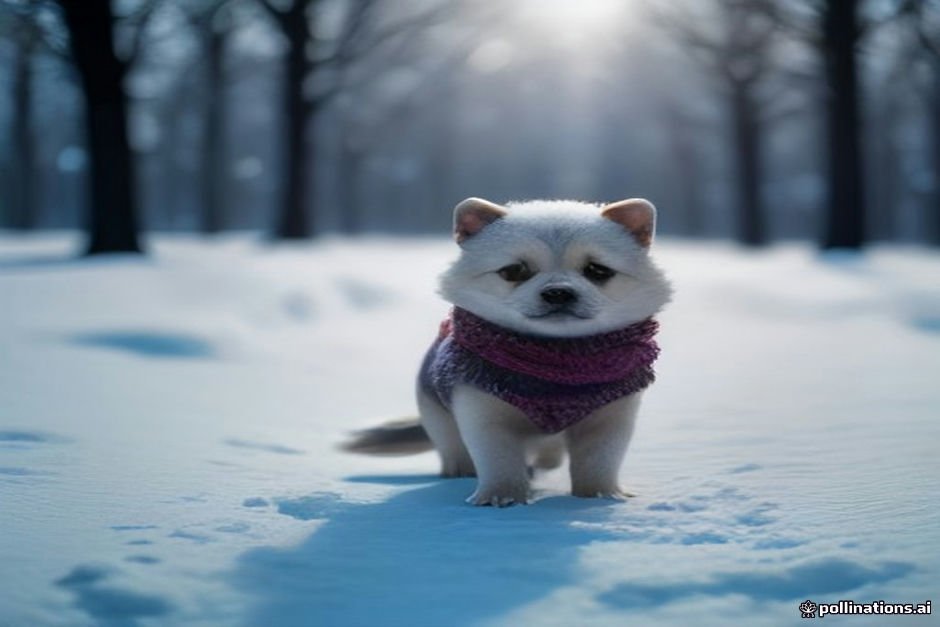
- Use a well-fitted coat or sweater for small, thin-coated or young puppies. It should cover the back and belly without restricting movement.
- Protect paws. Wipe feet after every walk to remove ice, salt and de-icers, which can irritate pads and are harmful if licked. Paw balm or booties help some dogs.
- Dry them off thoroughly after wet or snowy outings.
- Keep sleeping areas warm and draught-free, off cold floors. For newborn and very young puppies, a safe heat source matters — see our guide to warming pads for puppies.
- Play indoors. Training games, puzzle toys and short indoor sessions replace long walks on bitter days. Our puppy daily schedule has ideas for structuring indoor time.
- Never leave a puppy alone outside or in a car in cold weather. Cars act like refrigerators in winter.
Signs your puppy is too cold
Early signs — bring them inside:
- Shivering or trembling
- Whining, or trying to turn back home
- Hunched posture or tucked tail
- Lifting paws off the ground
- Slowing down or refusing to keep walking
Warning signs of hypothermia — call your vet:
- Weakness, stiffness or clumsiness
- Lethargy, confusion or unusual sleepiness
- Slow, shallow breathing
- Pale or bluish gums
- Feeling cold to the touch, especially ears, paws and belly
Frostbite most often affects ears, tail tips, paws and the scrotum. Skin may look pale, grey or bluish and feel cold and hard, then become red, swollen and painful as it warms.
What to do if your puppy is too cold
- Bring them inside to a warm room straight away.
- Dry them gently if wet.
- Wrap them in warm (not hot) blankets or towels warmed in the dryer.
- Offer a little lukewarm water if they're alert.
- Call your vet if signs of hypothermia or frostbite are present, or if your puppy isn't back to normal quickly.
Don't use hairdryers on high heat, heating pads directly on the skin, or hot water — rapid or direct heat can burn skin and worsen frostbite damage. Don't rub frostbitten areas.
When to call your vet
Contact your vet or an emergency clinic promptly if your puppy:
- Shows any of the hypothermia warning signs above
- Has skin that looks grey, blue, black or blistered after cold exposure
- Was exposed to cold for a long time, fell through ice, or was soaked in freezing weather
- Licked or ate de-icer, antifreeze or rock salt — antifreeze is extremely toxic and is an emergency
Frequently Asked Questions
What temperature is too cold for a puppy to be outside?
For most puppies, temperatures below about 45°F (7°C) call for shorter outings and closer watching, below about 32°F (0°C) is risky for small, short-coated or young puppies, and below about 20°F (-7°C) is dangerous for most puppies beyond quick toilet breaks.
How cold is too cold for a puppy to sleep?
Puppies should sleep indoors in a draught-free spot at normal room temperature, roughly 65-75°F (18-24°C). Very young puppies under about 4 weeks need extra warmth because they can’t regulate their body temperature yet.
Do puppies need a coat in winter?
Small, thin, short-coated, very young or senior dogs often benefit from a well-fitted coat in cold weather. Thick double-coated breeds usually don’t need one for normal walks but still need limits in severe cold.
How long can a puppy stay outside in the cold?
In freezing weather, keep young or small puppies to short toilet trips of a few minutes. Larger, thick-coated puppies may manage 10-20 minutes of active play in moderate cold, but bring them in at the first sign of shivering or lifting paws.
What are the signs a puppy is too cold?
Shivering, whining, a hunched posture, lifting paws off the ground, slowing down, trying to go back inside or seeking warmth are early signs. Weakness, stiffness, confusion or pale gums suggest hypothermia and need a vet.
This guide is general information, not veterinary advice. Cold tolerance varies with breed, age, coat and health; ask your vet about your puppy's limits, especially for young, small or medically fragile puppies.