
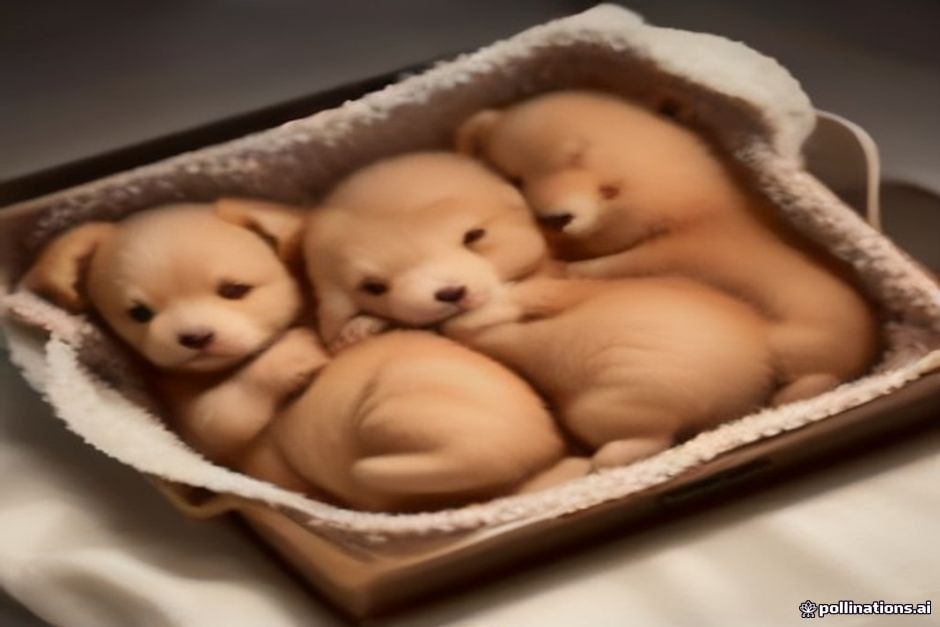
Warming Pads for Puppies: Why They Matter and How to Use Them Safely
For newborn puppies, warmth isn't a comfort — it's a matter of survival. In their first weeks of life, puppies can't regulate their own body temperature and depend entirely on outside heat. That's why a warming pad (used correctly) is often essential kit for breeders and anyone caring for very young puppies. Here's why warmth matters so much, and — just as important — how to provide it safely.
The Pup Guide is reader-supported. As an Amazon Associate we earn from qualifying purchases, at no extra cost to you. See our affiliate disclosure.
Why newborn puppies need warmth
Newborn puppies are born unable to shiver or control their body temperature. They rely on their mother and the pile of littermates for heat. If the mother is away, the litter is small, a puppy is orphaned, or the environment is cool, puppies can chill dangerously fast — and chilling in a newborn is a genuine emergency that affects digestion, immunity, and survival.
That's why a controlled, gentle heat source matters most in these situations:
- Orphaned or hand-reared puppies
- Small litters (fewer bodies to share warmth)
- A mother who's unwell or away from the nest
- Cooler homes or seasons
What temperature to aim for
Newborns need a genuinely warm environment, reduced gradually as they develop:
| Puppy age | Approx. environment temperature |
|---|---|
| Week 1 | ~85–90°F (29–32°C) |
| Week 2–3 | ~80–85°F (27–29°C) |
| Week 4+ | ~75°F (24°C), tapering as they regulate |
These are general guidelines — always confirm the right target for your specific litter with your vet, as needs vary. The key principle: warm, but never hot, and always with an escape route to a cooler spot.
How to use a warming pad safely
This is the part that matters most, because the two real risks are overheating and contact burns. Follow these rules:
- Use a pet-safe pad, ideally one designed for whelping with a low, steady temperature — not a human heating pad cranked to high.
- Always cover the pad with a towel or blanket so puppies never lie directly on the heating surface.
- Create a warm zone and a cool zone. Heat only part of the area so puppies can crawl away if they get too warm. This single step prevents most overheating.
- Never use an uncontrolled high setting, and avoid pads that get genuinely hot to the touch.
- Check regularly — feel the surface with your hand, and watch the puppies. Spread-out, restless puppies may be too hot; a tight pile that won't settle may be too cold.
- Keep cords out of reach of the mother and any chewing.
- Supervise, especially with very young or immobile newborns who can't move off the heat themselves.
👉 Pet-safe whelping / puppy warming pads on Amazon
Signs a puppy is too cold — or too hot
Too cold: cool to the touch (especially ears, paws, belly), lethargic, weak, crying, not nursing, a tight desperate huddle. A chilled newborn needs gradual rewarming and a vet call — never rapid heat, which is dangerous.
Too hot: restless, spread out and panting, trying to crawl away from the heat, red skin. Reduce the temperature and give them room to move to the cool zone.
Both extremes are worth taking seriously in newborns — when in doubt, call your vet.
Alternatives and extras
A warming pad isn't the only option, and often works alongside others:
- Snuggle-style microwavable heat discs designed for puppies
- A heat lamp positioned safely above (not too close), covering only part of the area
- Plenty of soft bedding and a draft-free nesting box
- The best heat source of all: the mother and littermates, when available
When newborn care needs a vet, not a pad
Warmth is critical, but it's not a fix for a sick puppy. Contact your vet urgently if a puppy is not nursing, limp, persistently crying, cold despite warming, or failing to gain weight. Newborn puppies are fragile, and problems escalate quickly — professional help early saves lives.
The bottom line
Newborn puppies can't keep themselves warm, so a safe heat source like a warming pad is genuinely important — especially for orphaned puppies, small litters, or a mother who's away. The whole game is safe warmth: use a pet-safe pad, always cover it, always leave a cooler escape zone, never overheat, and check often. Follow your vet's temperature guidance for your litter, watch the puppies closely, and get help fast if a newborn seems unwell. Done right, gentle warmth gives fragile newborns the safe start they need.
Frequently Asked Questions
Do newborn puppies need a warming pad?
Yes, usually. Newborn puppies can’t regulate their own body temperature for the first few weeks and rely on external warmth from their mother and littermates. A safe, gentle heat source like a warming pad is important — especially for orphaned puppies, small litters, or if the mother is away — because chilling is genuinely dangerous for newborns. Always provide a way for puppies to move away from the heat, too.
What temperature should a puppy warming area be?
Newborn puppies need a warm environment — roughly 85–90°F (29–32°C) in the first week, gradually reduced over the following weeks as they grow and start to regulate their own temperature. Provide a warm zone and a cooler zone so puppies can move to comfort. Always confirm the right temperature for your specific litter with your veterinarian.
Are heating pads safe for puppies?
They can be, with precautions. Use a pad designed for pets with a low, steady temperature, never a hot human heating pad on high. Always cover it, place it so puppies can crawl off it if too warm, never leave it on an uncontrolled high setting, and check the puppies and the surface temperature regularly. Overheating and contact burns are the main risks, so supervision and a proper pet-safe pad matter.
Related Guides
This is general information, not veterinary advice. Newborn puppy care is delicate, and chilling or overheating can be life-threatening. Always follow your veterinarian's guidance on temperature and care for your specific litter, and seek help promptly for any newborn that seems unwell.