Can Dogs Eat Pumpkin Seeds? Benefits & Safe Portions
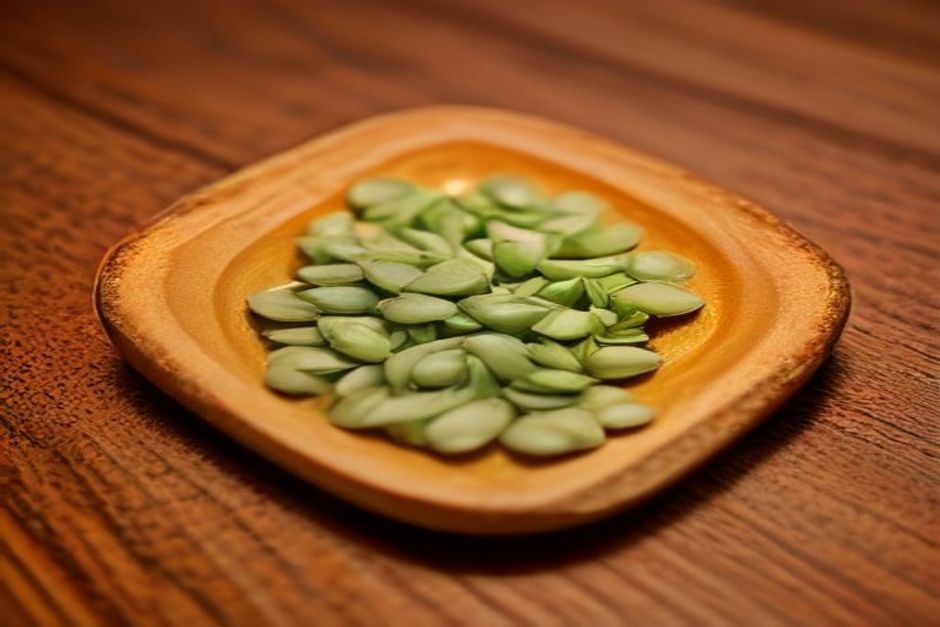
Yes – dogs can eat plain pumpkin seeds in moderation, and they're actually nutritious. Unsalted, plain pumpkin seeds offer healthy fats, fiber, protein, and minerals. Keep them plain (no salt or seasoning), serve small amounts, and grind them for easier digestion.
The short answer
- Safe? Yes – plain and unsalted.
- How much? A few seeds (small dogs) up to ~1 tsp ground (large dogs); they're high in fat.
- Watch out for: salt and seasonings, overfeeding (high fat), and whole seeds as a minor choking risk.
Are pumpkin seeds good for dogs?
Plain pumpkin seeds pack a surprising nutritional punch:
- Healthy fats and protein – support skin, coat, and energy.
- Fiber – supports digestion (pumpkin flesh is even better known for this).
- Minerals – zinc, magnesium, iron, and manganese support immune and overall health.
- Antioxidants – help protect cells.
You may have heard pumpkin seeds can act as a natural dewormer. They contain a compound (cucurbitacin) studied for this, but they are not a dependable treatment for worms. Use a vet-recommended dewormer if your dog has parasites.
How many pumpkin seeds can a dog eat?
Because they're calorie- and fat-dense, keep portions small (the 10% treat rule):
| Dog size | Example weight | Safe serving (plain) |
|---|---|---|
| Toy / very small | under 10 lb | 1-2 seeds |
| Small | 10-25 lb | 3-5 seeds or ¼ tsp ground |
| Medium | 25-50 lb | ~½ tsp ground |
| Large | 50 lb+ | up to ~1 tsp ground |
Offer them occasionally, not daily.
How to prepare pumpkin seeds safely
- Use plain, unsalted seeds – no salt, oil, or seasoning.
- Roast plain or grind them – ground seeds are easiest to digest and absorb, and reduce choking risk.
- Remove shells for small dogs, or grind shell-on seeds finely.
- Mix a pinch into food rather than feeding a handful.
Risks: salt, fat, and seasonings
- Salted/seasoned seeds add too much sodium and may contain garlic or onion (toxic).
- High fat means overfeeding can cause stomach upset or contribute to pancreatitis.
- Whole seeds are a minor choking risk for tiny dogs – grind them.
- Rancid seeds – old, oily seeds can spoil; use fresh.
Can puppies eat pumpkin seeds?
A tiny amount of plain, ground pumpkin seed is generally okay for puppies on solid food, but their stomachs are sensitive and the seeds are fatty – keep it minimal and ask your vet.
When to call your vet
Pumpkin seeds are low-risk, but call your vet if your dog:
- Ate a large amount of salted/seasoned seeds,
- Shows repeated vomiting, diarrhea, or a painful belly (possible pancreatitis),
- Or you're treating worms – get a real dewormer rather than relying on seeds.
Poison control: ASPCA (888-426-4435) or Pet Poison Helpline (855-764-7661).
The bottom line
Plain, unsalted pumpkin seeds are a healthy little treat in small amounts – best ground and seasoning-free. They're a nice nutrient boost, but they're not a cure for worms, so keep expectations (and portions) modest.
Related guides
- Foods Dogs Can & Can't Eat: the complete safe & toxic list
- Can dogs eat sweet potatoes?
- Can dogs eat blueberries?
Related Guides
- Foods Dogs Can & Can’t Eat: The Complete List
- Puppy Feeding Chart by Age & Weight
- Best Chew Toys for Puppies
Frequently Asked Questions
Are pumpkin seeds good for dogs?
Yes, in moderation. Plain pumpkin seeds offer healthy fats, fiber, protein, and minerals like zinc and magnesium. They should be unsalted and ideally ground or roasted plain.
Do pumpkin seeds get rid of worms in dogs?
Pumpkin seeds contain a compound (cucurbitacin) that’s sometimes claimed to help with worms, but they are not a reliable dewormer. If your dog has worms, use a vet-recommended dewormer – don’t rely on seeds.
Can dogs eat salted or seasoned pumpkin seeds?
No. Salted, spiced, or flavored pumpkin seeds have too much sodium and may contain garlic or onion. Only plain, unsalted seeds are safe.
Should pumpkin seeds be raw or roasted?
Plain roasted (no salt or oil) is best and easiest to digest. Grinding them helps your dog absorb the nutrients and reduces any choking risk. Raw plain seeds are okay too in small amounts.
How many pumpkin seeds can a dog have?
A small amount – roughly a few seeds for small dogs up to about a teaspoon of ground seeds for large dogs. They’re high in fat, so don’t overdo it.
This article is for general informational purposes and is not a substitute for professional veterinary advice. Always check with your veterinarian before adding new foods, especially if your dog has a health condition.