Can Dogs Eat Walnuts? Why They’re Best Avoided
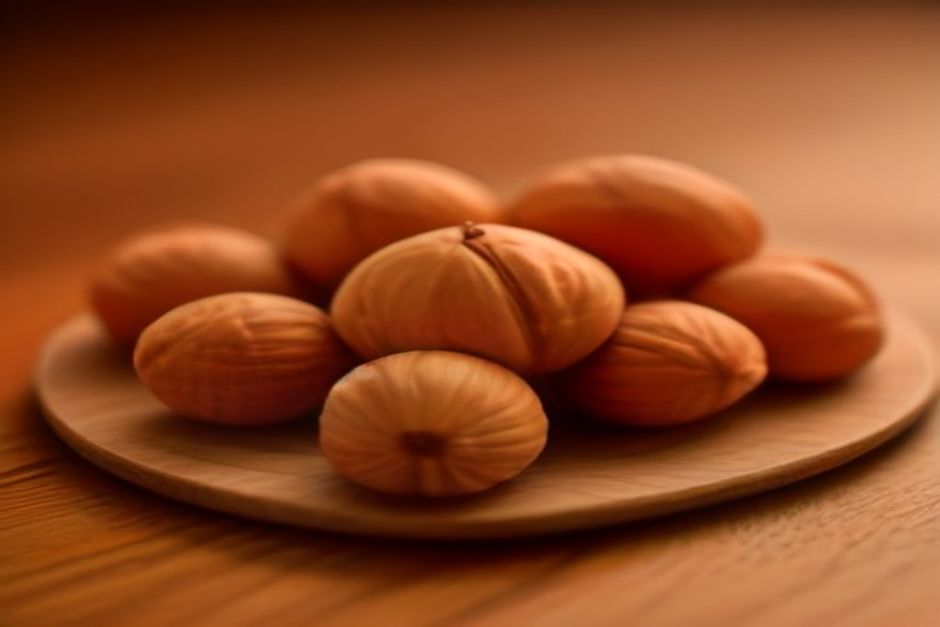
It's best not to feed your dog walnuts. Regular English walnuts aren't classically toxic, but black walnuts and moldy walnuts are genuinely dangerous – moldy nuts can cause tremors and seizures. Even plain walnuts carry choking, blockage, and pancreatitis risks. There's no good reason to share them.
The short answer
- Safe? No – avoid all walnuts.
- Most dangerous: black walnuts and moldy walnuts (can cause tremors/seizures).
- Watch out for: choking, blockages, high fat (pancreatitis), and shells.
Why walnuts aren't safe for dogs
- Moldy walnuts (the biggest danger). Walnuts that have fallen and sat outside can grow mold that produces tremorgenic mycotoxins – these can cause tremors, seizures, and other neurological symptoms.
- Black walnuts are toxic. This variety can cause vomiting and neurological issues; keep dogs away from black walnut trees.
- Choking and blockages. Walnuts are large and hard – a choking hazard and, especially in small dogs, a risk of intestinal obstruction.
- High fat. Like other nuts, walnuts can trigger pancreatitis, a painful inflammation of the pancreas.
- Shells. Hard, sharp, and a serious blockage/choking risk.
What to do if your dog ate walnuts
- Identify the walnut: plain English, black, moldy, salted/flavored, or shell-on.
- One plain English walnut, big dog: likely just mild stomach upset – monitor and offer water.
- Black, moldy, a lot of nuts, a small dog, or shells: call your vet or poison control right away.
- Watch urgently for neurological signs: tremors, twitching, wobbliness, or seizures – these are an emergency (often from mold toxins).
Don't induce vomiting unless a vet directs you to.
Warning signs
- Tremors, muscle twitching, unsteadiness, or seizures (emergency – likely mold toxins)
- Vomiting or diarrhea
- Loss of appetite, lethargy, or a painful/hunched belly (pancreatitis or blockage)
- Choking, gagging, or straining to poop
Can puppies eat walnuts?
Absolutely not. The choking, blockage, and toxicity risks are even greater for puppies. Keep all walnuts well out of reach.
Safer treats instead
- Blueberries or banana
- Carrot sticks or plain cooked sweet potato
- Plain, unsalted peanuts (small amounts) or xylitol-free peanut butter
- A quality dog-specific treat
When to call your vet
Call your vet or poison control immediately if your dog ate black or moldy walnuts, ate a large amount, swallowed a shell, or shows tremors, seizures, vomiting, or belly pain.
Poison control: ASPCA (888-426-4435) or Pet Poison Helpline (855-764-7661).
The bottom line
Walnuts are a no for dogs. Plain ones offer nothing worth the choking and pancreatitis risk, and black or moldy walnuts can be seriously toxic. Keep them out of reach – especially fallen nuts in the yard – and pick a dog-safe treat instead.
Related guides
- Foods Dogs Can & Can't Eat: the complete safe & toxic list
- Can dogs eat almonds?
- Can dogs eat marshmallows?
Related Guides
- Foods Dogs Can & Can’t Eat: The Complete List
- Puppy Feeding Chart by Age & Weight
- Best Chew Toys for Puppies
Frequently Asked Questions
Are walnuts toxic to dogs?
Regular (English) walnuts aren’t classically toxic, but black walnuts and moldy walnuts are dangerous – moldy walnuts contain tremorgenic mycotoxins that can cause seizures. All walnuts also risk choking, blockages, and pancreatitis, so vets advise avoiding them.
My dog ate a walnut – what should I do?
One plain English walnut may just cause mild stomach upset in a larger dog. But call your vet right away if the walnut was black, moldy, or part of a shell, if your dog is small, or if you see tremors, vomiting, or signs of pain.
Why are moldy walnuts so dangerous for dogs?
Mold on walnuts can produce tremorgenic mycotoxins, which can cause tremors, seizures, and neurological symptoms in dogs. Walnuts that have fallen from trees and sat on the ground are especially risky.
Can dogs eat black walnuts?
No. Black walnuts are considered toxic to dogs and can cause vomiting and neurological problems. Keep dogs away from black walnut trees and fallen nuts.
What about walnut shells?
Walnut shells are a serious choking and intestinal-blockage hazard and can have sharp edges. Never let your dog chew or swallow shells.
This article is for general informational purposes and is not a substitute for professional veterinary advice. Always check with your veterinarian before adding new foods, especially if your dog has a health condition.